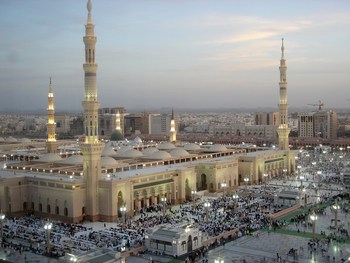
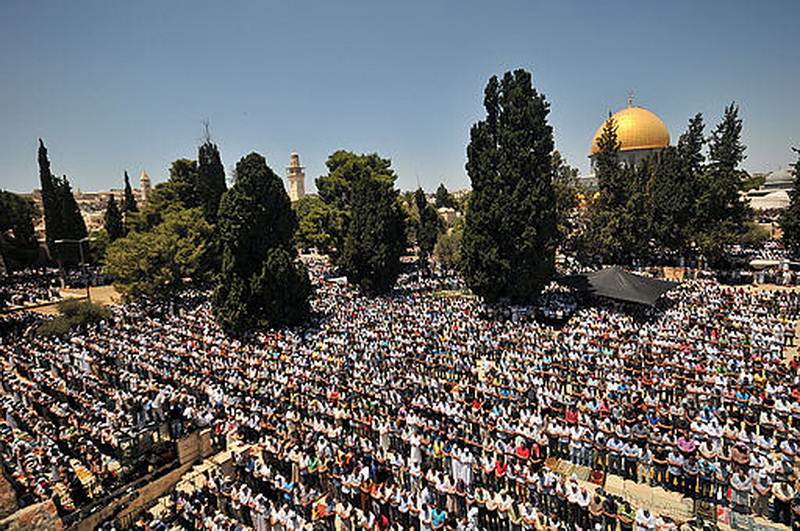
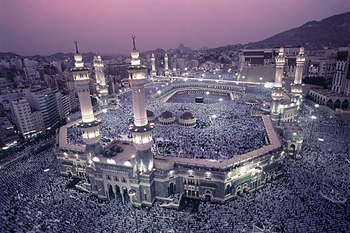
Al-Haram Mosque in Makkah The Prophet's Mosque in Madinah . Al-Aqsa Mosque Compound in Jerusalem
 

Al-Jazeerah

1. Islam: A Brief Introduction  

2. Performing Islamic Prayers

3. Three Levels of Faith: Islam, Iman, and Ihsan 

4. The Scientific Evidence That God Exists and the Holy Qur'an Is His Message to Humanity 

5. Creation and Evolution in the Holy Qur'an

6. Humans, As God's Caliphs on Earth

7. Adam's Contest With the Angels, and Getting Out of Paradise

8. The Relationship Between the Spiritual and the Physical in Islamic Teachings  

9. Mind, Self, Soul, Spirit, and Happiness from an Islamic Perspective 

10. Heart-Mind Relationship in the Holy Qur'an

11. Worshippers By Choice Or Forced Slaves?

12. Allah, As He Described Himself in the Holy Quran

Articles with Islamic Perspective:

Health Care Crisis in the US: An Islamic Perspective

"Terrorism" & "Islamo-Fascism" Propaganda Campaigns: An Interactive Lecture

Six Questions About Islam, Muslims and Jews

Five Islamic Issues: Predestination and choice, position toward other religions, angels, and the End of Days

Food Islamic Rules and Teachings  

Are Muslim women second-class citizens  

The French Ban on Islamic Headscarf, an Interview with

Links to Islamic Topics 2007-2010

Links to Islamic Topics 2007

Links to Islamic topics 2006

Links to Islamic topics 2005

Links to Islamic topics 2004

Links to Islamic topics, 2003

2002 Links to Islamic topics


Islam:

God's Message of Guidance to Humanity

2

Performing Islamic Prayers

By Hassan Ali El-Najjar

ccun.org, January 30, 2010


A Muslim is required to perform five prayers everyday, following the teachings of the Prophet Muhammed, peace and blessings of Allah be upon him, who received this Ibada (way of worshipping Allah) when he met with God in the seventh heaven, at the night of Al-Isra Wal Mi'araj (The Night of Journey to Jerusalem and Ascent to Heavens).

The five prayers are performed at specific times, which change daily in accordance with the continuous changes in the relationship between the Earth and the Sun. Many websites, such as www.islamiccity.com,  provide schedules of prayer times.

The five prayers and their scheduled daily times, according to the Islamic City prayer schedule of January 30, 2010, for example, are as follows:

 I. Prayer Times:

1. Al-Fajr (The Dawn) Prayer: Starts at 6:13 am.

2. Al-Dhuhr (The Noon) Prayer: Starts at 12:53 pm.

3. Al-'Asr (The After Noon) Prayer: Starts at 3:46 pm.

4. Al-Maghreb (The Sun Set) Prayer: Starts at 6:07 pm.

5. Al-'Isha (The Dusk) Prayer: Starts at 7:34 pm.

As a rule, prayers should be performed as early as possible after the start time. Delaying prayers should be avoided unless there is a necessity to do so. The apostrophe in Al-'Asr and Al-'Isha stands for an Arabic glotal sound, represented by the 18th letter of the Arabic alphabet.

II. Number of Prayer Units:

The Islamic prayers are composed of specific body movements accompanying recitations from the Holy Qur'an and words of praise to God.

A single unit of prayer (Raka'a, in Arabic) includes standing, bowing, prostration, and sitting on the floor.

The Islamic prayers included a number of required Raka'as (units), a minimum, as well as a number of recommended Raka'as, except for Al-'Asr Prayer. While there are 17 required Raka'as (units) in daily prayers,  recommended Raka'as are 13. The distribution of prayer units is as follows:

1. Al-Fajr (The Dawn) Prayer: 2 required Raka'as (units) and 2 recommended Raka'as (units), before.

2. Al-Dhuhr (The Noon) Prayer: 4 required Raka'as (units) and 4 recommended Raka'as (units), 2 before & 2 after.

3. Al-'Asr (The After Noon) Prayer: 4 required Raka'as (units) only.

4. Al-Maghreb (The Sun Set) Prayer: 3 required Raka'as (units) and 2 recommended Raka'as (units), after.

5. Al-'Isha (The Dusk) Prayer: 4 required Raka'as (units) and 5 recommended Raka'as (units), 2 before & 3 after..

III. Performing Al-Fajr (Dawn) Prayer:

1. Cleanliness before prayers

Before starting prayers, a Muslim has to be clean by taking showers regularly, particularly after sexual intercourse.

Cleanliness is also performed before every prayer in the form of Wudu' (washing the body with water), which includes washing and cleaning the hands, mouth, nose, face, arms, head hair, ears inside and back, and feet. Thus, the Creator, praise to Him, wants people to be healthy by cleaning themselves of dust, sweat, and microbes five times a day (See an illustration video at Wudu' ).

If water is not available at all (which is a unique case), a Muslim performs Tayamum, which is an emulation of the Wudu' movements.

2. Facing Al-Qibla

When they pray, Muslim must face Al-Qibla, which is Al-Ka'aba (The cubic-shaped House of Allah in Makkah). They should stand on a clean floor. For that purpose, they use a clean, small rug for that purpose. Healthy people must stand for prayers. However, the sick can pray in whatever position suiting them, such as sitting or on their sides. 

It is essential to make an effort to find the exact direction of Al-Qibla. An easy way is by using the Qibla compass, where the magnetic needle is made to point to a specific number referring to the location of performing prayers. Then, the arrow refers to the Qibla (See illustration).


For example, number 34 refers to the southern US states of Georgia, Alabama, and Mississippi, while number 33 refers to the eastern US states of Florida, South Carolina, North Carolina, Virginia, and D.C.  several other eastern states in the US are referred to as number 33 (for more information, see the map at: Finding Al-Ka'aba Direction). Another method is using the Sundial shadow, as explained and illustrated in the same source.

3. Athan (Calling for Group Prayer in a Mosque):

 ألأذان

الله أكبرُ اللهُ أكبر ، الله أكبرُ اللهُ أكبر

أشهدُ ألآ إلهَ إلا الله ، أشهدُ ألا إلهَ إلا الله

أشهدُ أنَّ محمداً رسولُ الله ، أشهدُ أن محمداً رسولُ الله

حيِّ على الصلاة ، حيِّ على الصلاة

حيِّ على الفلاح ، حيِّ على الفلاح

اللهُ أكبرُ اللهُ أكبر

لا إلهَ إلا الله

 Athan   (First calling for group prayer in a mosque):

Allahu akbar    (God is Greater): 4 times.

Ash hadu alla ilaha illa Allah   (I bear witness that there is no other god but Allah): Twice

Ash hadu anna Muhammedan rasoul ullah  (I bear witness that Muhammed is the Messenger of God): Twice

Hayie ‘alas salah    (Come to prayer): Twice

Hayie ‘alal falah      (Come to prosperity): Twice

Allahu akbar    (God is Greater): Twice.

La ilaha illa Allah   (There is no god but Allah): Once


4. Iqama (Announcing the start of prayer):

 ألإقامة

الله أكبرُ اللهُ أكبر

أشهدُ ألآ إلهَ إلا الله

أشهدُ أنَّ محمداً رسولُ الله

حيِّ على الصلاة

حيِّ على الفلاح

قد قامت اللاةُ ، قد قامت الصىلاه

اللهُ أكبرُ اللهُ أكبر

لا إلهَ إلا الله

Iqama   (Calling for the immediate start of prayer)

Allahu akbar, Allahu akbar    (God is Greater): Twice.

Ash hadu alla ilaha illa Allah   (I bear witness that there is no other god but Allah): Once.

Ash hadu anna Muhammedan rasoul ullah  (I bear witness that Muhammed is the Messenger of God): Once

Hayie ‘alas salah    (Come to prayer): once

Hayie ‘alal falah      (Come to prosperity): Once

Qad Qamates salah, qad qamates salah (The prayer has been stood for): Twice

Allahu akbar, Allahu akbar     (God is Greater): Twice

La ilaha illa Allah   (There is no god but Allah): Once


5. Intention and Takbeer

As a Muslim stands for prayer, he/she has the intention to perform it, that's why it is unnecessary to say that he/she intends to do that. However, followers of Imam Al-Shafi'ie pronounce the intention. Then, they lift their hands to the levels of ears making the Takbeer, which is the start of prayers. Followers of other imams may neither pronounce the intention nor lift their hands when they say the Takbeer.

The Takbeer is saying "Allahu Akbar," meaning "God is greater" (than anybody and anything).

6. Performing prayer

With the right hand over the left hand, above the belly button, a Muslim starts prayer by reciting Al-Fatiha (The Opening), the first Sura or Chapter of the Holy Qur'an, as follows:

الفاتحة

Al-Fatiha

 Chapter 1 of the Holy Qur’n

بسمِ اللهِ الرَّحْمنِ الرَّحِيمِ   

1. 1. In the name of Allah , the Most Merciful, the Most Compassionate

Bissmilah   irrahman   irrahim

الْحَمْدُ للّهِ رَبِّ الْعَالَمِينَ

1. 2. Praise be to Allah , Lord of the Worlds

Alhamdu   lilahi   rabbil   ‘alameen

الرَّحْمـنِ الرَّحِيمِ

1. 3. The Most Merciful, the Most Compassionate

Arrahman   arrahim

مَالِكِ يَوْمِ الدِّينِ

1.4. Owner of the Day of Judgment

Maliki  yawm  iddeen

إِيَّاكَ نَعْبُدُ وإِيَّاكَ نَسْتَعِينُ

1. 5. You ( alone ) we worship, You (alone) we ask for help

Iyaka  na’abudu  wa  iyaka  nassta’een

اهدِنَــــا الصِّرَاطَ المُستَقِيمَ

1. 6. Guide us (to) the straight path

Ihdinas  siratal  musstaqeem

صِرَاطَ الَّذِينَ أَنعَمتَ عَلَيهِمْ غَيرِ المَغضُوبِ عَلَيهِمْ وَلاَ الضَّالِّينَ

1. 7. The path of those whom You have blessed, not (the path of) those who earned Your anger, nor of those who went astray

Siratala  theena  ana’amta  ‘alayhim

Gharil  maghdhoobi  ‘alayhim

Waladh  dhaleen

Ameen.


7. Reciting one of the short Suras from the last part of the Holy Qur'an, after Al-Fatiha


8. Rukou'a (Bowing down)

A Muslim makes Rukou'a, making Takbeer first (saying Allahu Akbar), then bowing down with hands over the knees and the back is parallel to the floor. Then, he/she makes Tasbee'h, saying:

سبحانَ ربيَّ العظيم (3 مرات على الأقل)

Subhana rabiyal atheem    (Praise to my Lord, the Great): 3 times in Rukou’a – bowing

9. Standing for Hamd

After Rukou'a, a Muslim stands upright saying:

سَمِعَ اللهُ لِمَن حَمِدَه

Sami'a Allahu liman hamidah  (Allah listens to whoever praises Him): Once


10. Sujoud

A Muslim makes sujoud, by making Takbeer firs (saying Allahu Akbar, then going all the way down to the floor, prostrating himself/herself.

Eight body areas have to touch the floor in Sujoud. These are the forehead, nose, hand palms, the two knees, and the tiptoes of the two feet.

Once the soujoud is made, a Muslim makes the Sujoud Tasbeeh, saying:

سبحانَ ربيِّ الأعلى (3 مرات على الأقل)

Subhana rabiyal ‘ala      (Praise to my Lord, the Highest): 3 times in Sujoud – prostration

Then, the worshipper lifts his/her head while sitting on the floor, then goes down to perform another Sujoud.

By performing the above ten steps, a Muslim completes one Raka'a, or a prayer unit.

Then, he/she stands up to perform the second Raka'a, repeating the above ten steps.

11. Al-Tashahud

After performing the second Sujoud, he/she sits down on the floor reciting Al-Tashahud (The Proclamation), at the end of which he/she makes greetings to both shoulders, starting with the right shoulder, then the left shoulder.

Al-Tashahud (pronounced At Tashahud) is recited fully when a worshipper is praying two Raka'as only, such as in the case of Al-Fajr prayer. However, in the rest of the required prayers, which include more than two Raka'as, Al-Tashahud is recited in two ways. After the first two Raka'a, the worshipper recites only the first part of Al-Tashahud but recites it fully at the end of the last Raka'a.

التشهد

The Proclamation

 To be recited while sitting in prayer

التحيات المباركات ، والصلوات الطيبات لله

 السلام عليكً أيها النبيُّ ورحمةُ اللهِ وبركاتُه

 السلامُ علينا وعلى عباد اللهِ الصالحين

 أشهدُ أنِّ لا إلهَ إلا الله

 وأشهدُ أن محمداً رسولُ الله

 ***

اللهمَّ صلي على محمد ، وعلى آلِّ محمد

 كما صليتَ على إبراهيم ، وعلى آلِّ إبراهيم

 وبارك على محمد ، وعلى آلِّ محمد

 كما باركتَ على إبراهيم ، وعلى آلّ إبراهيم

 في العالمين

 إنَّكَ حميدٌ مجيد

 ***

السلامُ عليكم ورحمة الله وبركاته ، السلامُ عليكم ورحمةُ الله

First Part of Tashahud:

Blessed greetings and good prayers to Allah

Peace to you, O You Prophet, and mercy of Allah, and His blessings

Peace be upon us and upon the good worshippers of Allah

I bear witness that there is no other God but Allah (while raising the pointer finger)

And I bear witness that Muhammed is the Messenger of Allah (while raising the pointer finger)

**************

Full Tashahud:

Blessed greetings and good prayers to Allah

Peace to you, O You Prophet, and mercy of Allah, and His blessings

Peace be upon us and upon the good worshippers of Allah

I bear witness that there is no other God but Allah (raising the pointer finger)

And I bear witness that Muhammed is the Messenger of Allah (raising the pointer finger)

***

O Allah! Pray for Muhammed and for the family of Muhammed

As You prayed for Ibrahim and for the family of Ibrahim

And bless Muhammed and the family of Muhammed

As You blessed Ibrahim and the family of Ibrahim

Amongst the worlds

You are the Praise-worthy, You are the Glorious

***

Peace of Allah be upon you, His mercy, and His blessings (to the right side)

Peace of Allah be upon you, His mercy, and His blessings (to the the left side)

End of Prayer.

After Prayer Tasbeeh (Recommended, not required):

تسبيحُ ما بعدَ الصلاة:

سبحانَ الله ، الحمدُ لله ، لا إلهَ إلا الله ، اللهُ أكبر (33 مرة لكل منها)

Tasbeeh

(words of praise to God said after prayer)

Subhana Allah  (Praise to Allah): 33 times*

Alhamdu lilah    (Thanks to Allah): 33 times

Allahu akbar   (Allah is Greater): 33 times

* According to Hadith # 579, in Riyadh Al-Saliheen of Imam Al-Nawawi.

Many people add:

There's no other god but Allah.

==================

من قصار السور التي تتلى بعد الفاتحة في الصلاة

Some Short Suras to Be Recited After Al-Fatiha in Prayer

Translated and transcribed By Hassan Ali El-Najjar

سُوۡرَةُ الإخلاص
بِسۡمِ ٱللهِ ٱلرَّحۡمَـٰنِ ٱلرَّحِيمِ


قُلۡ هُوَ ٱللَّهُ أَحَدٌ (١) ٱللَّهُ ٱلصَّمَدُ (٢) لَمۡ يَلِدۡ وَلَمۡ يُولَدۡ (٣) وَلَمۡ يَكُن لَّهُ ۥ ڪُفُوًا أَحَدُۢ (٤)

Surat Al-Ikhlas

Bismila hir rahma nir rahim

1. Qul  hu allahu  a’had

2. Allahus  Samad

3. Lam  yalid  wa  lam  youlad

4. Wa  lam  yakun  lahu  kufwan  a’had

Surat Al-Ikhlas
In the name of Allah, the Merciful, the Compassionate


Say: He is Allah, (the) One; (1)

Allah, the Eternal; (2)

He did not beget (give birth) and He was not begotten (given birth to); (3)

And there has never been anyone equal to Him. (4)

سُوۡرَةُ الفَلَق
بِسۡمِ ٱللهِ ٱلرَّحۡمَـٰنِ ٱلرَّحِيمِ

قُلۡ أَعُوذُ بِرَبِّ ٱلۡفَلَقِ (١) مِن شَرِّ مَا خَلَقَ (٢) وَمِن شَرِّ غَاسِقٍ إِذَا وَقَبَ (٣) وَمِن شَرِّ ٱلنَّفَّـٰثَـٰتِ فِى ٱلۡعُقَدِ (٤) وَمِن شَرِّ حَاسِدٍ إِذَا حَسَدَ (٥)

Surat Al-Falaq

Bismila hir rahma nir rahim

1. Qul  ‘a-oudhu  birabil  falaq

2. Min  sharri  ma  khalaq

3. Wa  min  sharri  ghasiqin  idha  waqab

4. Wa  min  sharrin  nafathati  fil  ‘uqad

5. Wa  min  sharri  hasidin  idha  hasad

Surat Al-Falaq
In the name of Allah, the Merciful, the Compassionate

Say: I seek refuge with the Lord of the dawn (daybreak), (1)

From the evil of things He created; (2)

And from the evil of night darkness as it overspreads; (3)

And from the evil of tied knots (of witchcraft); (4)

And from the evil of the envious when he envies. (5)

 سُوۡرَةُ النَّاس
بِسۡمِ ٱللهِ ٱلرَّحۡمَـٰنِ ٱلرَّحِيمِ

قُلۡ أَعُوذُ بِرَبِّ ٱلنَّاسِ (١) مَلِكِ ٱلنَّاسِ (٢) إِلَـٰهِ ٱلنَّاسِ (٣) مِن شَرِّ ٱلۡوَسۡوَاسِ ٱلۡخَنَّاسِ (٤) ٱلَّذِى يُوَسۡوِسُ فِى صُدُورِ ٱلنَّاسِ (٥) مِنَ ٱلۡجِنَّةِ وَٱلنَّاسِ (٦)

Surat An-Nas (Al-Nas)

Bismila hir rahma nir rahim

1. Qul  ‘a-oudhu  birabin  nas

2. Malikin  nas

3. Ilahin  nas

4. Min  sharril  waswasil  khannas

5. Alladhi  yuwas  wisu  fi  sudourin  nas

6. Minal  jinnati  wannas

Surat An-Nas (Al-Nas)
In the name of Allah, the Merciful, the Compassionate

Say: I seek refuge with the Lord of people, (1)

King of people (2)

God of people (3)

From the evil of the whisperer (the devil), the silent (who shuts up when people remember God by reciting these verses and others from the Holy Qur’an) (4)

 Who whispers into the hearts of people (5)

(Both) the Jinns and the humans. (6)


==================

Sources:

Videos:

The following videos, illustrations, and animations provide detailed information about how to perform Islamic prayers:

http://www.youtube.com/watch?v=DoNPSEWn6aY

http://www.hilalplaza.com/islamic-pray-prayers-salat/index.html

http://www.islam.com/salat/salatfinal.html (animation with full texts in Arabic, pronunciation, and English translation).

Illustrations:

More sources for illustrations about how to perform prayers:

http://www.alsunna.org/salat/salat.htm

http://muslim-canada.org/salaat.html

http://www.ehow.com/how_5023330_perform-muslim-prayer.html

http://forum.moe.gov.om/~moeoman/vb/showthread.php?p=1667934

http://www.wikihow.com/Perform-Salah


=============================================================

* Dr. Hassan Ali El-Najjar is a native speaker of Arabic. He has a Ph.D. in Sociology and a Master’s degree in Cultural Anthropology from the University of Georgia, USA.


Opinions expressed in various sections are the sole responsibility of their authors and they may not represent ccun.org.

editor@ccun.org