Al-Jazeerah
ccun
 |
 |
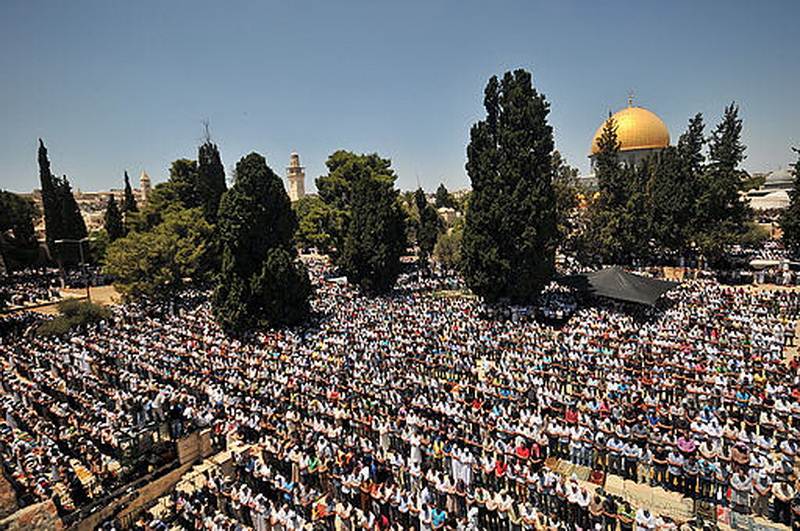 |
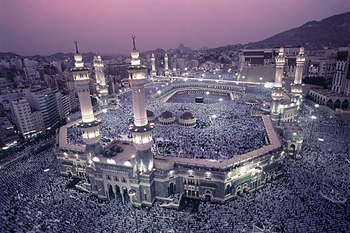
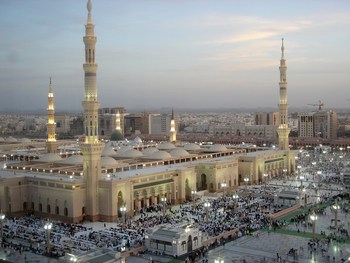
| Al-Haram Mosque in Makkah | The Prophet's Mosque in Madinah . | Al-Aqsa Mosque Compound in Jerusalem |
Books About Islam By Hassan Ali El-Najjar Book I. Islam: A Scientific View of God's Message
to Humanity
1.
Islam: A Brief Introduction
2.
Three Levels of Faith: Islam, Iman, and I'hsan
3.
The Scientific Evidence That God Exists and the
Holy Qur'an Is His Message to Humanity
4.
Creation and Evolution in the Holy Qur'an
5.
Humans, As God's Caliphs on Earth
6.
Adam's Contest With the Angels, and Getting Out
of Paradise
8.
The Relationship Between the Spiritual and the
Physical Aspects of Islamic Teachings
9.
Spirit, Soul, Mind, Self, and Happiness, from
an Islamic Perspective
10.
Heart-Mind Relationship in the Holy Qur'an
Book II. A Scientific View
of the Five
Pillars of Islam
1.
Islamic Proclamation of Faith 3.
Giving Zakat, Charity, The Third Islamic Duty
4.
Fasting and Ramadhan, Great Gifts from Allah to
Muslims
5.
Haj, Pilgrimage, the Fifth Pillar of Islam Book
III.
Allah, Praise to Him
2. Why Did
Allah Create Humans?
3.
Methodological Background of
Writing About the Good Names of
Allah
4. The
Full List of the Good Names of
Allah
7.
Worshippers By Choice Or Forced Slaves?
Book IV. Messengers of Allah to His Human Caliphs, on the Earth
1. Messengers, Prophets, Miracles, and Prophecies
2. Messengers of Allah and His Prophets, Mentioned in the Holy Quran
3. Angels: The Honorable Worshippers of Allah
4.
Noo'h (Noah): The Ark Builder, in the Holy Quran
5. Ibraheem (Abraham), God's Good Friend, in the Holy Quran
6.
Moosa (Moses): The Messenger Supported with Nine Miracles, in the Holy Quran
7.
'Eisa, Jesus, the Son of Maryam: God's Creation Miracle, in the, Holy Quran
8.
Mu'hammed: God’s Mercy to the Worlds, in the Holy Quran
9.
Prophet Mu'hammed's Night Journey and
Ascent to Heavens, Al-Isra Wal Mi'raj
V. The Last Day, God’s Precise Measurement, and His Just Decrees
1. Signs of the Hour
2. The Last Day: The Hour, Resurrection, Reckoning, and Judgment
3. God's Precise Measurement and His Just Decree, Al-Qadar Wal Qadha
Book VI. I'hsan: Watching Allah
in What We Say and What We Do
2. Introduction to Islamic Law (Shari'a), Part II: The "No" Commands in the Holy Quran
Book VII. I'hsan: Watching Allah
in What We Say and What We Do
Introduction to Islamic Shari’a: Imperative Commands of Justice and Righteousness, in the Holy Quran
***
Articles with Islamic Perspective:
Health Care Crisis in the US: An Islamic
Perspective
"Terrorism" & "Islamo-Fascism" Propaganda
Campaigns: An Interactive Lecture
Six Questions About Islam, Muslims and Jews
Five Islamic Issues: Predestination and choice,
position toward other religions, angels, and the End of Days
Food Islamic Rules and Teachings
Are Muslim women second-class citizens
The French Ban on Islamic Headscarf, an Interview
with
Links to Islamic Topics 2007-2010
Book 4
Messengers of Allah to His Human Caliphs,
on the Earth
Chapter 8
Mu'hammed:
God’s Mercy to the Worlds,
Peace and blessings of Allah be upon him
By Hassan Ali El-Najjar
***
مُحَمَّدٌ
رَحْمَةُ اللهِ لِلْعَالَمِينَ
عَلَيْهِ الصَّلاةُ وَالسَّلامُ
تأليف
حسن علي النجار
1447 \ 2026
***
أَعُوذُ بِاللهِ مِنَ الشَّيْطَانِ الرَّجِيم
بِسْمِ اللهِ الرَّحْمَـٰنِ الرَّحِيم
I seek refuge with God from the Stoned Shaytan (Satan)
In the name of Allah, the Beneficent, the
Merciful
Introduction
To be a Muslim, a person has to believe in and announce the Islamic proclamation of faith, which states that “there is no other god but Allah, and Mu’hammed is the Messenger of Allah.”
This statement means that a Muslim believes in Allah, praise to Him, as the only One God, worships Him, and follows His commands, which are revealed in His Book, the Holy Quran.
It also means that a Muslim believes that Mu’hammed, peace and blessings of Allah be upon him (pbbuh) is the Messenger of Allah, and follows his teachings, which are included in his Sunna (his sayings, actions, and approvals), in addition to the Holy Quran, which was revealed to him.
In addition, Mu’hammed, pbbuh, was honored by Allah, praise to Him, as His last Prophet, as directly mentioned in verse 33: 40. He was also honored as the last Messenger of Allah, bringing a Message to humanity, as indirectly mentioned in verse 5: 3, which declares that by revealing the Holy Quran to His Messenger, Allah, praise to Him, has completed His religion of Islam to His human creations.
So, for humanity to enjoy the mercy of Allah, as reflected in peace and prosperity, the commands of Allah and the teachings of His Messenger need to be followed, which leads to building a just, loving, and compassionate society. That is why the main principles of Islam focus on supporting those who need help, those who lost their freedom, the oppressed, the wretched, the weak, the exploited, the poor, and the needy.
Thus, Islam encourages standing up against oppressors, aggressors, tyrants, exploiters, the corrupt, corruptors, abusers, blood-shedders, and the ones who plot to start disputes and wars among individuals, groups, and nations.
It follows that Islam is a continuous human struggle to gain the mercy of Allah, praise to Him, during this lower life and in the hereafter, when believers will win the promised everlasting life in His Paradise.
These topics as well as other aspects of the life and teachings of the Messenger of Allah, Mu’hammed, pbbuh, are addressed in this chapter, which is divided into eight sections. These include biographical highlights, verses mentioning him by name in the Holy Quran, the declaration by Allah, praise to Him, that He has perfected and completed Islam as His religion to humanity, that Mu’hammed, pbbuh, was His last Prophet, who persisted in conducting his mission, which brought praise to him from Allah, praise to Him, and finally the miracles and prophecies given to him, as support for him and the believers, as mentioned in the Holy Quran and the Sunna.
***
First, Brief biographical highlights
The Messenger of Allah, Mu’hammed, pbbuh, was born in 570 A.D. In that year, the ruler of Yemen, called Abraha, attempted to demolish Al-Ka'ba, the first House of Allah on the Earth. He brought elephants with him for that purpose but Allah, praise to Him, destroyed him, his soldiers, and his elephants outside Makkah, by birds dropping little pebbles upon them, as mentioned in Soorat Al-Feel (Chapter 105) of the Holy Quran.
بِسْمِ اللَّهِ الرَّحْمَٰنِ الرَّحِيمِ
أَلَمْ تَرَ كَيْفَ فَعَلَ رَبُّكَ بِأَصْحَابِ الْفِيلِ ﴿١﴾ أَلَمْ يَجْعَلْ كَيْدَهُمْ فِي تَضْلِيلٍ ﴿٢﴾ وَأَرْسَلَ عَلَيْهِمْ طَيْرًا أَبَابِيلَ ﴿٣﴾ تَرْمِيهِم بِحِجَارَةٍ مِّن سِجِّيلٍ ﴿٤﴾ فَجَعَلَهُمْ كَعَصْفٍ مَّأْكُولٍ ﴿٥﴾ (الْفِيلُ ، 105: 1-5).
In the Name of Allah, the Beneficent, the Merciful
Have you not considered, (O Mu’hammed), how your Lord dealt with the companions of the elephant? (1) Did He not make their plan into misguidance? (2) And He sent against them birds in flocks, (3) Striking them with stones of hard clay, (4) And He made them like eaten straws. (5) (Al-Feel, 105: 1-5).
The father of the Messenger of God, Abdullah, died before his wife Aamina gives birth to their son. Then, the Prophet, pbbuh, was nursed by ‘Haleema Al-Sa'diya, in the desert. This was in observance to an Arab tradition, which helped children become stronger physically and more eloquent linguistically than if they grew up in towns.
Shortly after that, the mother of the Messenger of Allah also died when he was six years old. So, the orphan Prophet, pbbuh, was taken care of by his grandfather, ‘Abdul Muttalib, who died two years later. Then, he was taken care of by his uncle, Abu Talib.
During this period of his life, the Prophet was given a shepherd's task. However, his uncle once took him in his trade caravan to Bilad Al-Sham (what is known now as Syria, Lebanon, Palestine, and Jordan), when he was twelve years old. When the caravan reached Busra (in the countryside of Dar’a, in southern Syria), a Christian monk called Bu'hayra identified the young man, Mu’hammed, pbbuh, as a special person with a great future.
As the Prophet grew older, he was approached by Khadeeja, a wealthy and honorable widow of Quraysh, to work in her trading business with Bilad Al-Sham. She offered him the job because of his good manners, honesty, and truthfulness.
Khadeeja ultimately decided to ask the Prophet to marry her, which he did when he was twenty-five years old, while she was forty. They had together six children. These were his sons Al-Qasim and ‘Abdullah (nicknamed as Al-Tahir and Al-Tayyib), both of whom died as children. They also had their four daughters Zaynab, Ruqayya, Um Kulthoom, and Fatima, all of whom survived, mAbpw them all. The Prophet, pbbuh, had a third son, Ibraheem, from his Egyptian Coptic wife, Mariya, but he also died.
Ten years later, when the Prophet was thirty-five years old, there was an important event, which showed how much he was highly regarded by the people of Makkah, for his good manners, honesty, truthfulness, and wisdom.
While rebuilding the first House of Allah on the Earth, Al-Ka'ba, the Quraysh tribal chiefs had a dispute over who would have the honor of putting the "Black Stone" on its place, in the building of the Holy Mosque. They were about to fight each other with swords, for that honor, when one of them suggested that they accept the judgment of the first person who would enter the sacred place. To their good surprise, that person turned to be Mu’hammed, pbbuh, who suggested that the Black Stone be placed on a gown, in order to enable all of them to lift it together. They accepted and he was the one who placed it in its right place in the building.
During the following five years, he started to realize that the statues which his people used to worship were really false gods. So, he began to go in seclusion, in a cave near Makkah, called ‘Hira, to contemplate about the real God.
So, at the age of forty, the Senior Angel, Jibreel (Gabriel) appeared to him in the cave, and commanded him to “read,” which was the first word of the Book of Allah, the Holy Quran, which was revealed to him in its entirety in twenty-three years. He commissioned him, as a Messenger of Allah, to convey it to his people and the Worlds, as guidance for them to the right path, in order for them to gain God’s contentment and mercy, during this lower life and in the hereafter.
Like what happened to the Messengers of Allah before him, he was disbelieved and his early followers were persecuted by the elite of Makkah, who saw in his mission a threat to their beliefs and status. So, he ordered many of his followers to immigrate to Ethiopia, to take refuge with a righteous Christian King there, referred to as Najashi (Negashi) in Arabic records, who treated them well. He also commanded other early Muslims to immigrate to Medina, after he had been promised support by the Muslims there.
Meanwhile, the Makkan Quraysh elite increased their oppression of the remaining Muslims, including the Messenger of Allah and his extended family, blockading them in a valley, where they were denied basic necessities for three years, except for some support from Muslims living outside of Makkah.
Then, the Messenger of Allah lost the
great support he received from his wife,
Khadeejah,
pbuh, and his uncle Abu Talib,
when both died, during the tenth year of his mission. In addition to
his sadness for their death, he also suffered great distress, when
he was mistreated by the people of Al-Ta-if,
when he tried to invite them to Islam.
So, Allah, praise to Him, wanted to console
him, within the same year. He took him in a Night Journey, to Baytul
Maqdis (Jerusalem), then to the seven heavens, and beyond, where he
had an audience with Him, which became known as the Journey of
Al-Isra Wal Mi’raj.
Three years after
the Night Journey, Allah, praise to Him, permitted His Messenger,
pbbuh, to immigrate to Al-Medina, where he established the first
Islamic community, on the Earth. He taught Islam to people generally
and to his Companions in particular, for the following ten years.
When he died, he left behind for them and the Worlds the two things,
which will protect them from going astray: the Book of Allah and his
Sunna, as he mentioned in his ‘Hadeeth.
[4]
***
Second, verses mentioning him by name in the Holy Quran
The word “Messenger” (Rasool) is mentioned 235 times, in 215 verses, in the Holy Quran. About 177 of these are in reference to Mu’hammed, pbbuh, as the Messenger of Allah, who received His final Message to humanity.
Allah, praise to Him, mentioned him four times, by name, in the Holy Quran. He was mentioned as one the Messenger of Allah. Like other Messenger before him, he would die. So, believers should not turn back to disbelief when it happens to him (3: 144).
He was also mentioned as the Messenger of Allah and the Seal (Last) of His Prophets. When he would die, he would have no sons to inherit him, but the believers are the inheritors of the religion, which Allah completed and perfected, through his mission, for them (33: 40).
In the third verse mentioning him as the Messenger of Allah, he was described, together with the believers, as forceful against the disbelievers. However, they were merciful towards each-other and they were persistent in worshipping Allah, as shown on their faces, from the trace of prostration (48: 29).
In the fourth verse, he was mentioned in the contexts of the promise of Allah, praise to Him, to the believers in Him and in His Book, which He revealed through His Messenger, to remove their misdeeds and amend their condition (47: 2), as follows:
وَمَا مُحَمَّدٌ إِلَّا رَسُولٌ قَدْ خَلَتْ مِن قَبْلِهِ الرُّسُلُ ۚ أَفَإِن مَّاتَ أَوْ قُتِلَ انقَلَبْتُمْ عَلَىٰ أَعْقَابِكُمْ ۚ وَمَن يَنقَلِبْ عَلَىٰ عَقِبَيْهِ فَلَن يَضُرَّ اللَّهَ شَيْئًا ۗ وَسَيَجْزِي اللَّهُ الشَّاكِرِينَ (آلُ عِمْرَانَ ، 3: 144).
مَّا كَانَ مُحَمَّدٌ أَبَا أَحَدٍ مِّن رِّجَالِكُمْ وَلَـٰكِن رَّسُولَ اللَّـهِ وَخَاتَمَ النَّبِيِّينَ ۗ وَكَانَ اللَّـهُ بِكُلِّ شَيْءٍ عَلِيمًا (الأحْزَابُ ، 33: 40).
مُّحَمَّدٌ رَّسُولُ اللَّهِ ۚ وَالَّذِينَ مَعَهُ أَشِدَّاءُ عَلَى الْكُفَّارِ رُحَمَاءُ بَيْنَهُمْ ۖ تَرَاهُمْ رُكَّعًا سُجَّدًا يَبْتَغُونَ فَضْلًا مِّنَ اللَّهِ وَرِضْوَانًا ۖ سِيمَاهُمْ فِي وُجُوهِهِم مِّنْ أَثَرِ السُّجُودِ ۚ (الْفَتْحُ ، 48: 29).
وَالَّذِينَ آمَنُوا وَعَمِلُوا الصَّالِحَاتِ وَآمَنُوا بِمَا نُزِّلَ عَلَىٰ مُحَمَّدٍ وَهُوَ الْحَقُّ مِن رَّبِّهِمْ ۙ كَفَّرَ عَنْهُمْ سَيِّئَاتِهِمْ وَأَصْلَحَ بَالَهُمْ (مُحَمَّدُ ، 47: 2).
Mu’hammed is not but a Messenger, before whom (other) Messengers have passed on. So, if he was to die or be killed, would you turn back on your heels (to unbelief)? And whoever turns back on his heels will never harm Allah at all, but Allah will reward the grateful (ones) (Aal-‘Imran, 3: 144).
Mu’hammed is not the father of (any) one of your men, but (he is) the Messenger of Allah and the Seal (Last) of the Prophets. And ever is Allah, of everything, Knowing (Al-A’hzab, 33: 40).
Mu’hammed is the Messenger of Allah, and those with him, are forceful against the disbelievers, (but) merciful among themselves. You see them bowing and prostrating (in prayer), seeking bounty from Allah and (His) pleasure. Their mark is on their faces from the trace of prostration … (Al-Fat’h, 48: 29).
And those who believe, and do righteous deeds, and believe in what has been descended upon Mu’hammed, and it is the truth from their Lord, He will remove from them their misdeeds and amend their condition (Mu’hammed, 47: 2).
***
وَإِذْ أَخَذْنَا مِنَ النَّبِيِّينَ مِيثَاقَهُمْ وَمِنكَ وَمِن نُّوحٍ وَإِبْرَاهِيمَ وَمُوسَىٰ وَعِيسَى ابْنِ مَرْيَمَ ۖ وَأَخَذْنَا مِنْهُم مِّيثَاقًا غَلِيظًا (الأحْزَابُ ، 33: 7).
And (mention, O Mu’hammed), when We took from the prophets their Covenant and from you and from Noo’h (Noah), and Ibraheem (Abraham), and Moosa (Moses), and ‘Eisa (Jesus), the son of Mary; and We took from them a solemn Covenant (Al-A’hzab, 33: 7).
***
Third, Allah, praise to Him, perfected and completed His religion of Islam despite the plots of the disbelievers
The disbelievers plotted to prevent him from conveying God’s Message, by restraining, or killing, or evicting him (from Makkah). However, Allah praise to Him, caused their plots to fail (8: 30) and protected him from them (5: 67), until the Message was perfected. Thus, Allah completed His favor to humanity and announced that He has approved of Islam as its religion (5: 3).
وَإِذْ يَمْكُرُ بِكَ الَّذِينَ كَفَرُوا لِيُثْبِتُوكَ أَوْ يَقْتُلُوكَ أَوْ يُخْرِجُوكَ ۚ وَيَمْكُرُونَ وَيَمْكُرُ اللَّهُ ۖ وَاللَّهُ خَيْرُ الْمَاكِرِينَ (الأنْفَالُ ، 8: 30).
يَا أَيُّهَا الرَّسُولُ بَلِّغْ مَا أُنزِلَ إِلَيْكَ مِن رَّبِّكَ ۖ وَإِن لَّمْ تَفْعَلْ فَمَا بَلَّغْتَ رِسَالَتَهُ ۚ وَاللَّهُ يَعْصِمُكَ مِنَ النَّاسِ ۗ إِنَّ اللَّهَ لَا يَهْدِي الْقَوْمَ الْكَافِرِينَ (الْمَائِدَةُ ، 5: 67).
... الْيَوْمَ أَكْمَلْتُ لَكُمْ دِينَكُمْ وَأَتْمَمْتُ عَلَيْكُمْ نِعْمَتِي وَرَضِيتُ لَكُمُ الْإِسْلَامَ دِينًا ۚ ... (الْمَائِدَةُ ، 5: 3).
And (remember, O Mu’hammed), when those who disbelieved plotted against you to restrain you or kill you or evict you (from Makkah). But they plan, and Allah plans. And Allah is the best of planners (Al-Anfal, 8: 30).
O Messenger, convey (announce) that which has been revealed to you from your Lord, and if you do not, then you have not conveyed His message. And Allah will protect you from the people. Indeed, Allah does not guide the disbelieving people (Al-Ma-ida, 5: 67).
… Today I have perfected for you your religion and completed My favor upon you, and have approved of Islam for you, as religion … (Al-Ma-ida, 5: 3).
***
In addition, the Messenger of Allah, Mu’hammed, pbbuh, faced much of hardship and persecution from the disbelievers in Makkah, including ridicule (21: 36), wondering (50: 2), and accusations of madness (68: 2). Moreover, they blockaded him and his extended family for three years, plotting to kill him in Makkah, and fighting him and Muslims around his city, Al-Medina, after his immigration (hijra).
وَإِذَا رَآكَ الَّذِينَ كَفَرُوا إِن يَتَّخِذُونَكَ إِلَّا هُزُوًا أَهَـٰذَا الَّذِي يَذْكُرُ آلِهَتَكُمْ وَهُم بِذِكْرِ الرَّحْمَـٰنِ هُمْ كَافِرُونَ (الأنْبِيَاءُ ، 21: 36).
ق ۚ وَالْقُرْآنِ الْمَجِيدِ ﴿١﴾ بَلْ عَجِبُوا أَن جَاءَهُم مُّنذِرٌ مِّنْهُمْ فَقَالَ الْكَافِرُونَ هَـٰذَا شَيْءٌ عَجِيبٌ ﴿٢﴾ (قَ ، 50: 1-2).
بِسْمِ اللَّـهِ الرَّحْمَـٰنِ الرَّحِيمِ
ن ۚ وَالْقَلَمِ وَمَا يَسْطُرُونَ ﴿١﴾ مَا أَنتَ بِنِعْمَةِ رَبِّكَ بِمَجْنُونٍ ﴿٢﴾ وَإِنَّ لَكَ لَأَجْرًا غَيْرَ مَمْنُونٍ ﴿٣﴾ وَإِنَّكَ لَعَلَىٰ خُلُقٍ عَظِيمٍ ﴿٤﴾ فَسَتُبْصِرُ وَيُبْصِرُونَ ﴿٥﴾ بِأَييِّكُمُ الْمَفْتُونُ ﴿٦﴾ إِنَّ رَبَّكَ هُوَ أَعْلَمُ بِمَن ضَلَّ عَن سَبِيلِهِ وَهُوَ أَعْلَمُ بِالْمُهْتَدِينَ ﴿٧﴾ (نُون ، 68: 1-7).
And when those who disbelieve saw you, (O Mu’hammed), they took you not except in ridicule, (saying): "Is this the one who insults your gods?" And they are, at the mention of the Beneficent (God), disbelievers (Al-Anbiya', 21: 36).
(By the letter) Qaf (Q) and the Honored Quran, (1) They actually wondered that there came to them a warner from among themselves, and the disbelievers said: "This is an amazing thing" (2) (Qaf, 50: 1-2).
In the name of Allah, the Beneficent, the Merciful
(By the letter N) Noon, and (by) the pen, and (by) what they inscribe, (1) You are not, (O Mu’hammed), by the favor of your Lord, a madman. (2) And for you is a reward uninterrupted. (3) And you are of a great moral character. (4) So, you will see and they will see, (5) Which of you is the afflicted (by a devil). (6) Your Lord is most knowing of who has gone astray from His way, and He is most knowing of the (rightly) guided. (7) (Noon, 68: 1-7).
***
Fourth. Mu’hammed, pbbuh, the Last Prophet and Messenger of Allah
Allah, praise to
Him, has honored His Messenger, Mu’hammed, pbbuh, by making him the
Seal
(the Last)
of His Prophets,
mentioning that directly in the Holy Quran (33: 40). He was also the
Last of the Messengers of Allah, as it is understood from announcing
that Allah, praise to Him, perfected and completed His religion of
Islam, by revealing the Holy
Quran to
him (5: 3). Moreover, Allah, praise to Him, has promised to protect
(preserve) the Holy Quran (15: 9), to be guidance for humanity
(Al-Baqara, 2: 185).
مَّا كَانَ مُحَمَّدٌ أَبَا أَحَدٍ مِّن رِّجَالِكُمْ وَلَـٰكِن رَّسُولَ اللَّـهِ وَخَاتَمَ النَّبِيِّينَ ۗ (الأحِزَابُ ، 33: 40).
... الْيَوْمَ أَكْمَلْتُ لَكُمْ دِينَكُمْ وَأَتْمَمْتُ عَلَيْكُمْ نِعْمَتِي وَرَضِيتُ لَكُمُ الْإِسْلَامَ دِينًا ۚ ... (الْمَائِدَةُ ، 5: 3).
إِنَّا نَحْنُ نَزَّلْنَا الذِّكْرَ وَإِنَّا لَهُ لَحَافِظُونَ (الْحِجْرُ ، 15: 9).
شَهْرُ رَمَضَانَ الَّذِي
أُنزِلَ فِيهِ الْقُرْآنُ
هُدًى لِّلنَّاسِ
وَبَيِّنَاتٍ مِّنَ الْهُدَىٰ وَالْفُرْقَانِ (الْبَقَرَةُ ،
2: 185).
Mu’hammed was not the father of (any) one of your men, but (he was) the Messenger of Allah and the last of the prophets (Al-A'hzab, 33: 40).
… Today I have perfected for you your religion and completed My favor upon you, and have approved of Islam for you, as religion … (Al-Ma-ida, 5: 3).
We have sent down the Message (Holy Quran), and We will assuredly protect (preserve) it (Al-‘Hijr, 15: 9).
The month of
Ramadhan (is that) in which the Quran was revealed, a
guidance
for the people, and
clear proofs of guidance and criterion … (Al-Baqara, 2: 185).
***
This means that there will be no need for Prophets to preach and teach people about the Book of Allah, as well as to rule by its commands among them, like what the Prophets did after Moosa (Moses), pbuh, (5: 44). This job will be maintained by the scholars, who are mentioned in verse 3: 18 with high regards, directly after mentioning Allah and the angels. So, the Islamic scholars have the responsibility of teaching people about the Book of Allah, the Holy Quran, and the Sunna of His last Prophet and Messenger. In addition, they are responsible for giving rulings (fatwas) on the bases of these two Islamic sources, as well as the research of their predecessors.
إِنَّا أَنزَلْنَا التَّوْرَاةَ فِيهَا هُدًى وَنُورٌ يَحْكُمُ بِهَا النَّبِيُّونَ الَّذِينَ أَسْلَمُوا (الْمَائِدَةُ ، 5: 44).
شَهِدَ اللَّـهُ أَنَّهُ لَا إِلَـٰهَ إِلَّا هُوَ وَالْمَلَائِكَةُ وَأُولُو الْعِلْمِ قَائِمًا بِالْقِسْطِ ۚ لَا إِلَـٰهَ إِلَّا هُوَ الْعَزِيزُ الْحَكِيمُ (آلُ عِمْرَانَ ، 3: 18).
We sent down the Towraah (Torah), in which (there) was guidance and light. The Prophets who submitted (themselves to Allah as Muslims) used to judge by it (Al-Ma-ida, 5: 44).
Allah has witnessed, so have the angels and those of knowledge, that there is no other god except Him, and that He is maintaining (His Dominion) with justice. There is no other god except Him, the Exalted in Might, the Wise (Aal-'Imran, 3: 18).
***
1. The Holy Quran
The Holy Quran (pronounced as two separate syllables Qur - an) is referred to, by some authors, as “Koran” but this is an inaccurate translation, as the letter Q is closer to the Arabic sound than the letter K. It is the first source of the Islamic teachings, as it is the Book of Allah and His Message to humanity. It was revealed to the Messenger of Allah, Mu’hammed, pbbuh, in 23 years, starting from 610 AD.
The Holy Quran was written by the scribes during the life of the Messenger of Allah, pbbuh, as he received its verses, by inspiration through the Angel, Jibreel (Gabriel), pbuh (53: 4-5). He would speak and they would write down the revelations. Then, they would read the revelation which they wrote to him, and he would approve of it. He would also tell them about the order of the Sooras (Chapters) and where the revealed verses should be placed.
إِنْ هُوَ إِلَّا وَحْيٌ يُوحَىٰ ﴿٤﴾ عَلَّمَهُ شَدِيدُ الْقُوَىٰ ﴿٥﴾ (النَّجْمُ ، 53: 4-5).
It is not but a revelation revealed, (4) Taught to him by one intense in strength (Jibreel, Gabriel) (5) (Al-Najm, 53: 4-5).
By the death of the Messenger of Allah, pbbuh, some of the Holy Quran Chapters were in his house and others were in the houses of his Companions. The first Caliph, Abu Bakr, mAbpwh, collected all Chapters in one Book. However, it was the third Caliph, ‘Uthman, mAbpwh, who kept the Quraysh version of the Holy Quran and burned out all other versions, which were written in different dialects. The ‘Uthman version of the Holy Quran is the only one which Muslims have today. It has been guarded and kept safe from any changes or distortions, by the will of Allah, who stated that promise in the above-mentioned verse 15: 9.
The Holy Quran includes God’s teachings to humanity, including His commands and His prohibitions, the core of which were also revealed through His former Messengers. It also includes clarifications about the disputes between Jews and Christians, such as over the nature of Jesus and his Message to the Israelites.
The first Arabic word uttered by the Angel Jibreel (Gabriel), pbuh, to the Messenger of Allah, Mu’hammed, pbbuh, was the command verb /iqra'/, which means "Read." This means that Allah, the Knowledgeable, praise to Him, wants His beloved human creation to be as knowledgeable as they can be, through reading, writing, and the accumulation of knowledge.
As the Word of Allah and His Message to humanity, the Holy Quran has been preserved as it is, without any changes, since it has been revealed 1,400 years ago. It is available today, in its Arabic original version, and its translations into other languages, in many libraries and internet sites. An example is www.tanzil.net, which has 18 different English translations, in addition to translations to other languages, and an Arabic search function. It also carries Quran recitations by 26 renowned reciters, so people can hear verses recited while looking at the written text.
***
2. The Sunna
The Sunna represents the second source of the Islamic teachings, after the Holy Quran. It includes sayings (‘Hadeeths) and actions of the Prophet, pbbuh, as well as his approval of people’s sayings and actions. It also includes his explanation of the Quran verses. In addition, the Sunna contains his teachings and his lifestyle, which were examples for Muslims to follow in various aspects of life.
An example of how the Messenger of Allah,
pbbuh, explained and summarized the Holy Quran, to God’s
worshippers, is the ‘Hadeeth narrated by Companion ‘Abdullah Bin
(Son of) ‘Omar, mAbpwt both. He said that he heard the Messenger of
Allah, pbbuh, saying: “
"Islam has been built on five (pillars): The proclamation that there is no other god than Allah and that Muhammed is the Messenger of Allah, performing the prayers, paying charity (Zakat), making the pilgrimage to the House (of Allah in Makkah), and fasting (during the month of) Ramadhan.” [8]
Thus, the Messenger of Allah, pbbuh,
summarized the five Islamic ways of worship (‘ibadat), in one
‘Hadeeth, to make it easy on people. All of these ways of
worship are mentioned in various chapters of the Holy Quran but
the ‘Hadith puts them together, emphasizing them as the five
major and manifest Islamic obligations. For example, the
proclamation of faith was mentioned in verse 3: 18 and verse 40:
33, prayers and charity (Zakat) in verse 2: 110, fasting in
verse 2: 183, and Haj in verse 3: 97.
[9]
Allah, praise to Him, says in the Holy Quran: “Whatever the Messenger came to you with, take it; and whatever he prohibited you, abstain from it (Al-‘Hashr, 59: 7). The Messenger of Allah, pbbuh, said in a ‘Hadeeth: "…You will see much differences after me. So, follow my Sunna and that of the guided successors …” [10]
In general, the Messenger of Allah, pbbuh, permitted his companions to talk to people about his Sunna (his sayings, actions, and approvals), without restrictions. However, he admonished them, particularly the scribes, not to write anything he says, except the Holy Quran.
Thus, in a ‘Hadeeth narrated by Abu Sa'eed Al-Khudri, mAbpwh, he said that the Messenger of Allah, pbbuh, said (addressing the scribes): "Do not write anything about me except the Quran, and whoever wrote anything other than the Quran, let him erase it. However, narrate about me (verbally), without restrictions, but whoever willingly tells lies about me, let him has his seat in the Fire." [11]
Concerning the acceptance and permission for writing down ‘Hadeeths, it happened later, when there was no fear of mixing it with the Holy Quran, as mentioned in a ‘Hadeeth narrated by ‘Abdullah Bin ‘Amr Bin Al-‘Aas, mAbpwt both, who said that he used to write everything he heard from the Messenger of Allah, pbbuh, in order to be able to memorize it.
The Quraysh (Companions) admonished him (about doing that). They said: “Are you writing everything you hear and (you know that) the Messenger of Allah, pbbuh, is a human being who may speak in normal times and when he is angry? So, I stopped writing, but I mentioned that to the Messenger of Allah, pbbuh. He said: “Write down, by the One Who has my soul in His Hand (Allah), nothing comes out from (my mouth) except the truth.” [12]
***
3. Research by Islamic Scholars
Research by Islamic scholars has become the third source of Islamic teachings. Most of these scholars are graduates of Islamic universities, who hold the highest degrees in Islamic studies. Thus, they are experts on the first two sources. They provide current interpretations of the Holy Quran, explain to the people the basic principles of their religion, and give rulings (fatwas) about new innovations, such as those which may happen in social, economic, financial, and medical aspects of life. For example, recreational addictive and harmful drugs were not mentioned in the Holy Quran. So, Islamic scholars pointed that there is more harm from using them than the sought benefits. As a result, such drugs should be treated the same way of treating alcoholic beverages. Allah, praise to Him, commanded Muslims to avoid them, in verse 5: 190, which was explained by the Prophet, pbbuh, as prohibition. [13]
***
Since the last few decades of the 20th Century, a category of Muslim social and natural scientists has emerged, tasking itself of demonstrating that the Holy Quran is full of scientific evidence, which shows that it is the Word of God, and that nobody else could have produced it. Thus, they have contributed to deepening the faith and increasing the understanding of Muslims of their religion, on the basis of science and reasoning. This is of great importance, particularly because of the internet age, which has enabled anti-religion forces to spread their falsehoods easily. In addition, it is a creative way to call for Allah among non-Muslims, particularly those who are highly educated, and those who have left their religions because of the contradiction with reasoning and basic scientific facts. The first book by this author (Islam: A Scientific View of God’s Message to Humanity) aims at achieving that goal, as demonstrated in its various chapters, particularly the third and fourth Chapters.
***
Fifth, his Mission
During
the following five years, the Messenger of Allah, pbbuh, started to
prefer seclusion and being away from the Quraysh polytheists and
their pagan practices. He started to go to a cave outside Makkah,
Called 'Hira, where he would contemplate about the Universe and its
true Creator.
When he
was forty years old, the Senior Angel, Jibreel (Gabriel), pbuh, came
to him for the first time, in the cave,
as a Messenger to him from his
Lord, praise to Him. Jibreel began the revelation by the command
"Read" (Iqra'), repeating it three times, and Mu’hammed, pbbuh, the
illiterate, answering him three times, "I'm not a reader" meaning,
"I don't know how to read." Then, Jibreel proceeded with the
recitation of the first five Verses of the Holy Quran (96: 1-5),
revealed to humanity through the Messenger of Allah, as follows:
أعوذُ باللهِ منَ الشيطانِ الرجيم
بِسْمِ اللَّـهِ الرَّحْمَـٰنِ الرَّحِيمِ
اقْرَأْ بِاسْمِ رَبِّكَ الَّذِي خَلَقَ ﴿١﴾ خَلَقَ الْإِنسَانَ مِنْ عَلَقٍ ﴿٢﴾ اقْرَأْ وَرَبُّكَ الْأَكْرَمُ ﴿٣﴾ الَّذِي عَلَّمَ بِالْقَلَمِ ﴿٤﴾ عَلَّمَ الْإِنسَانَ مَا لَمْ يَعْلَمْ ﴿٥﴾ (الْعَلَقُ ، 96: 1-5).
I seek refuge with God from the Stoned Shaytan (Satan)
In the name of Allah, the Beneficent, the Merciful
Read, in the name of your Lord who created, (1) Created the human being from a clinging substance. (2) Read, and your Lord is the Most Generous, (3) Who taught by the pen, (4) Taught the human being that which he did not know (5) (Al-'Alaq, 96: 1-5).
***
Frightened of his encounter with
Jibreel, the Messenger of Allah went home asking his wife,
Khadeeja,
mAbpwh, to secure him in his bed by covering him. However, Jibreel
still came to him, giving him more commands. He commanded him to
stand up in prayer at night, to start his mission among people
during the day, to recite the Quran revealed to him, to mention the
Name of His Lord, and to worship Him devotedly, as stated in the
first nine verses of Soorat Al-Muzzamil (Chapter 73).
بِسْمِ اللَّـهِ الرَّحْمَـٰنِ الرَّحِيمِ
يَا أَيُّهَا الْمُزَّمِّلُ ﴿١﴾ قُمِ اللَّيْلَ إِلَّا قَلِيلًا ﴿٢﴾ نِّصْفَهُ أَوِ انقُصْ مِنْهُ قَلِيلًا ﴿٣﴾ أَوْ زِدْ عَلَيْهِ وَرَتِّلِ الْقُرْآنَ تَرْتِيلًا ﴿٤﴾ إِنَّا سَنُلْقِي عَلَيْكَ قَوْلًا ثَقِيلًا ﴿٥﴾ إِنَّ نَاشِئَةَ اللَّيْلِ هِيَ أَشَدُّ وَطْئًا وَأَقْوَمُ قِيلًا ﴿٦﴾ إِنَّ لَكَ فِي النَّهَارِ سَبْحًا طَوِيلًا ﴿٧﴾ وَاذْكُرِ اسْمَ رَبِّكَ وَتَبَتَّلْ إِلَيْهِ تَبْتِيلًا ﴿٨﴾ رَّبُّ الْمَشْرِقِ وَالْمَغْرِبِ لَا إِلَٰهَ إِلَّا هُوَ فَاتَّخِذْهُ وَكِيلًا ﴿٩﴾ (الْمُزَّمِّلُ ، 73: 1-9).
In the name of Allah, the Beneficent, the Merciful
O you who wraps himself (in clothing), (1) Stand (for prayer all) the night, except for a little - (2) Half of it, or subtract from it a little (3) Or add to it and recite the Quran with measured recitation. (4) We will cast upon you a heavy saying (5) Indeed, the hours of the night are more effective for concurrence (of heart and tongue) and more suitable for words. (6) Indeed, for you by day is prolonged occupation. (7) And remember the name of your Lord and devote yourself to Him with (complete) devotion. (8) (He is) the Lord of the East and the West; there is no deity except Him. So, take Him as Disposer of (your) Affairs. (9) (Al-Muzzamil, 73: 1-9).
Khadeeja,
mAbpwh, took the Messenger of Allah, pbbuh, to her elderly cousin,
Waraqa Bin Nowfal, who was a literate Christian. After asking him
several questions, Waraqa said that these were revelations by the
same Angel who contacted Moosa (Moses), pbuh. He also added that he
wished if he would be alive when the Messenger of Allah would be
persecuted by the people of Quraysh, so he would be among his
supporters, but he died soon after that.
As revelations continued, the Messenger of Allah, pbbuh, became more assured and more confident of his mission. However, there was a pause in the revelations, for a while, as a break given to him. So, he thought that Allah, praise to Him, had abandoned him. But, Jibreel, pbuh, came back addressing him as “Al-Muddath-thir” (the one wrapping himself with clothes). He brought new commands from his Lord, for him to stand and warn people, be patient with the harm he would receive from them, glorify his Lord, purify his clothing, forsake the idols and bad deeds, and not to think of his mission as a favor to God, as mentioned in the first seven verses of Soorat Al-Muddath-thir (Chapter 74) of the Holy Quran.
بِسْمِ اللَّـهِ الرَّحْمَـٰنِ الرَّحِيمِ
يَا أَيُّهَا الْمُدَّثِّرُ ﴿١﴾ قُمْ فَأَنذِرْ ﴿٢﴾ وَرَبَّكَ فَكَبِّرْ ﴿٣﴾ وَثِيَابَكَ فَطَهِّرْ ﴿٤﴾ وَالرُّجْزَ فَاهْجُرْ ﴿٥﴾ وَلَا تَمْنُن تَسْتَكْثِرُ ﴿٦﴾ وَلِرَبِّكَ فَاصْبِرْ ﴿٧﴾ (الْمُدَّثِّرُ ، 74: 1-7).
In the name of Allah, the Beneficent, the Merciful
O you who covers himself (with garments), (1) Stand and warn (2) And glorify your Lord (3) And purify your clothing (4) And forsake the idols and bad deeds (5) And do not confer favor to acquire more (do not think of your mission as a favor to God, that you guide more people to Him) (6) And be patient with your Lord (7) (Al-Muddathir, 74: 1-7).
***
There was a second pause of the
revelations, but Jibreel (Gabriel), pbuh, came back to assure the
Messenger of Allah, pbbuh, that his Lord did not abandon him, and
that He would give him what satisfies him in this lower life and in
the hereafter. He reminded him of His support to him, during his
life. He gave him refuge when he became an orphan, guided him when
he got lost, and made him self-sufficient when he became poor. Then,
he concluded the revelation with commands from Allah, praise to Him,
addressed to him and the Muslims: Do not oppress the orphan, or
repel the petitioner, but mention the favors of your Lord, as we
read in the first eleven verses of Soorat Al-Dhu'ha
(93) and in the verses of Soorat Al-Shar'h (94), of the Holy Quran.
بِسْمِ اللَّـهِ الرَّحْمَـٰنِ الرَّحِيمِ
وَالضُّحَىٰ ﴿١﴾ وَاللَّيْلِ إِذَا سَجَىٰ ﴿٢﴾ مَا وَدَّعَكَ رَبُّكَ وَمَا قَلَىٰ ﴿٣﴾ وَلَلْآخِرَةُ خَيْرٌ لَّكَ مِنَ الْأُولَىٰ ﴿٤﴾ وَلَسَوْفَ يُعْطِيكَ رَبُّكَ فَتَرْضَىٰ ﴿٥﴾ أَلَمْ يَجِدْكَ يَتِيمًا فَآوَىٰ ﴿٦﴾ وَوَجَدَكَ ضَالًّا فَهَدَىٰ ﴿٧﴾ وَوَجَدَكَ عَائِلًا فَأَغْنَىٰ ﴿٨﴾ فَأَمَّا الْيَتِيمَ فَلَا تَقْهَرْ ﴿٩﴾ وَأَمَّا السَّائِلَ فَلَا تَنْهَرْ ﴿١٠﴾ وَأَمَّا بِنِعْمَةِ رَبِّكَ فَحَدِّثْ ﴿١١﴾ (الضُّحَى ، 93: 1-11).
In the name of Allah, the Beneficent, the Merciful
By the morning brightness (1) And (by) the night when it covers with darkness, (2) Your Lord has not taken leave of you, nor has He detested (you, O Mu’hammed). (3) And the Hereafter is better for you than the first (life). (4) And your Lord is going to give you, and you will be satisfied. (5) Did He not find you an orphan and give (you) refuge? (6) And He found you lost and guided (you), (7) And He found you poor and made (you) self-sufficient. (8) So as for the orphan, do not oppress (him or her). (9) And as for the petitioner, do not repel (him or her). (10) And as for the favor of your Lord, talk about (it). (11) (Al-Dhu'ha, 93: 1-11).
بِسْمِ اللَّـهِ الرَّحْمَـٰنِ الرَّحِيمِ
أَلَمْ نَشْرَحْ لَكَ صَدْرَكَ ﴿١﴾ وَوَضَعْنَا عَنكَ وِزْرَكَ ﴿٢﴾ الَّذِي أَنقَضَ ظَهْرَكَ ﴿٣﴾ وَرَفَعْنَا لَكَ ذِكْرَكَ ﴿٤﴾ فَإِنَّ مَعَ الْعُسْرِ يُسْرًا ﴿٥﴾ إِنَّ مَعَ الْعُسْرِ يُسْرًا ﴿٦﴾ فَإِذَا فَرَغْتَ فَانصَبْ ﴿٧﴾ وَإِلَىٰ رَبِّكَ فَارْغَب ﴿٨﴾ (الشَّرْحُ ، 94: 1-8).
In the name of Allah, the Beneficent, the Merciful
Did We not expand for you, (O Mu’hammed), your chest (and filled it with the light of faith)? (1) And We removed from you your burden (2) Which had weighed upon your back (3) And raised high for you your reputation. (4) For indeed, with hardship (will be) ease. (5) Indeed, with hardship (will be) ease. (6) So when you have finished (your duties), then stand up (for worship). (7) And to your Lord direct (your) longing. (8) (Al-Shar'h, 94: 1-8).
***
Revelation of the Holy Quran continued from Allah, praise to Him, to
His Messenger, pbbuh, through Jibreel, pbuh, for 23 years,
13
years of them in Makkah, and 10
years in Medina. The Mission focused on inviting people to believe
in their Lord, Allah, Who created them, as well as the heavens and
the Earth. They should not take partners with Him. They should thank
Him for the countless favors He bestowed on them. It also included
conveying the commands of Allah to people, His glad tidings for the
believers of an everlasting life in His Paradise, and His warning of
the permanent painful punishment for the disbelievers and evil
doers, in the Hellfire, in the hereafter.
The Holy Quran also included answers to questions posed to the Messenger of Allah by the believers and the disbelievers. Allah, praise to Him, mentioned such questions 15 times, and gave answers to them, saying: “They ask you (O Messenger) …, say ...” These questions were about crescents, spending on whom, fighting during the prohibited (‘Haram) Months, alcoholic beverages and gambling, what to spend, orphans, sexual relations with women during their menstruation and after, which foods to eat, the time of the Hour, who knows about it, distribution of the spoils of war, the Spirit, Dthul Qarnnayn, what happens to the mountains at the time of the Hour, and warning people of its horrors. [14]
Allah, praise to Him, also replied to the challenge of the disbelievers that He descend a book for them to read, as one of their conditions to believe in Him and his Messenger. Other conditions included breaking a spring open, having a garden of fruits with rivers flowing in it, causing fragments from heaven to fall upon them, bringing Allah and the angels before them, having a golden house, and to ascending to heaven (Al-Isra, 17: 90-93). However, Allah, praise to Him, told us that even if He descended a book and they touched it by their hands, they would still say that it was an obvious magic, not sent by Him (Al-An’am, 6: 7).
وَقَالُوا لَن نُّؤْمِنَ لَكَ حَتَّىٰ تَفْجُرَ لَنَا مِنَ الْأَرْضِ يَنبُوعًا ﴿٩٠﴾ أَوْ تَكُونَ لَكَ جَنَّةٌ مِّن نَّخِيلٍ وَعِنَبٍ فَتُفَجِّرَ الْأَنْهَارَ خِلَالَهَا تَفْجِيرًا ﴿٩١﴾ أَوْ تُسْقِطَ السَّمَاءَ كَمَا زَعَمْتَ عَلَيْنَا كِسَفًا أَوْ تَأْتِيَ بِاللَّهِ وَالْمَلَائِكَةِ قَبِيلًا ﴿٩٢﴾ أَوْ يَكُونَ لَكَ بَيْتٌ مِّن زُخْرُفٍ أَوْ تَرْقَىٰ فِي السَّمَاءِ وَلَن نُّؤْمِنَ لِرُقِيِّكَ حَتَّىٰ تُنَزِّلَ عَلَيْنَا كِتَابًا نَّقْرَؤُهُ ۗ قُلْ سُبْحَانَ رَبِّي هَلْ كُنتُ إِلَّا بَشَرًا رَّسُولًا ﴿٩٣﴾ (الإسْرَاءُ ، 17: 90-93).
وَلَوْ نَزَّلْنَا عَلَيْكَ كِتَابًا فِي قِرْطَاسٍ فَلَمَسُوهُ بِأَيْدِيهِمْ لَقَالَ الَّذِينَ كَفَرُوا إِنْ هَٰذَا إِلَّا سِحْرٌ مُّبِينٌ (الأنْعَامُ ، 6: 7).
And they said: "We will not believe you until you break open for us from the ground a spring. (90) Or you have a garden of palm trees and grapes, and make rivers gush forth within them in force (91) Or you make the heaven fall upon us in fragments, as you have claimed, or you bring Allah and the angels before (us) (92) Or you have a house of gold, or you ascend into the sky. And (even then), we will not believe in your ascension until you bring down to us a book we may read." Say (to them): "Exalted is my Lord! Was I ever but a human messenger?" (93) (Al-Isra, 17: 90-93).
And even if We had sent down to you, (O Mu’hammed), a written book on a page and they touched it with their hands, the disbelievers would say: "This is not but obvious magic" (Al-An’am, 6: 7).
***
Allah, praise to Him, also answered their question about why the Holy Quran was not revealed altogether, in one book, at once. He said that the Messenger was an illiterate man, who did not read or write before his mission. Had he been literate, then they would have used that in their argument against him (Al-’Ankaboot, 29: 48, Al-A’araf, 7: 158), saying that he got this knowledge from what he read in the books revealed before him.
In addition to being illiterate, as a human being, the Messenger of Allah, pbbuh, could not handle receiving the whole book at once, as Allah, praise to Him, described his Word as “heavy” on him (Al-Muzzammil, 73: 5), so heavy that when he used to receive revelations, “the sweat would be dropping from his forehead, on a very cold day,” as related by the Mother of the Believers, ‘Aaysha, mAbpwh, told us. For all of these reasons, Allah, praise to Him, descended the Holy Quran on His Messenger, pbbuh, in verses and chapters, not as a whole book, over a prolonged period of time (Al-Isra, 17: 105-106). [15]
وَمَا كُنتَ تَتْلُو مِن قَبْلِهِ مِن كِتَابٍ وَلَا تَخُطُّهُ بِيَمِينِكَ ۖ إِذًا لَّارْتَابَ الْمُبْطِلُونَ (الْعَنْكَبُوتُ ، 29: 48).
قُلْ يَا أَيُّهَا النَّاسُ إِنِّي رَسُولُ اللَّهِ إِلَيْكُمْ جَمِيعًا الَّذِي لَهُ مُلْكُ السَّمَاوَاتِ وَالْأَرْضِ ۖ لَا إِلَٰهَ إِلَّا هُوَ يُحْيِي وَيُمِيتُ ۖ فَآمِنُوا بِاللَّهِ وَرَسُولِهِ النَّبِيِّ الْأُمِّيِّ الَّذِي يُؤْمِنُ بِاللَّهِ وَكَلِمَاتِهِ وَاتَّبِعُوهُ لَعَلَّكُمْ تَهْتَدُونَ (الأعْرَافُ ، 7: 158).
إِنَّا سَنُلْقِي عَلَيْكَ قَوْلًا ثَقِيلًا (الْمُزَّمِّلُ ، 73: 5).
وَبِالْحَقِّ أَنزَلْنَاهُ وَبِالْحَقِّ نَزَلَ ۗ وَمَا أَرْسَلْنَاكَ إِلَّا مُبَشِّرًا وَنَذِيرًا ﴿١٠٥﴾ وَقُرْآنًا فَرَقْنَاهُ لِتَقْرَأَهُ عَلَى النَّاسِ عَلَىٰ مُكْثٍ وَنَزَّلْنَاهُ تَنزِيلًا ﴿١٠٦﴾ (الإسْرَاءُ ، 17: 105-106).
And you did not recite before it any scripture, nor did you inscribe one with your right hand. Otherwise, the falsifiers would have had (a cause for) doubt (Al-’Ankaboot, 29: 48).
Say, (O Mu’hammed), "O mankind, indeed, I am the Messenger of Allah to you all, to Whom belongs the dominion of the heavens and the Earth. There is no deity except Him. He gives life and causes death." So, believe in Allah and His Messenger, the unlettered (illiterate) Prophet, who believes in Allah and His Words, and follow him that you may be guided (Al-A’araf, 7: 158).
Indeed, We will cast upon you a heavy Word (Al-Muzzammil, 73: 5).
And with the truth We have sent (the Quran) down, and with the truth it has descended. And We have not sent you, (O Mu’hammed), except as a bringer of good tidings and a warner. (105) And (it is) a Quran, which We have separated (by intervals), that you might recite it to the people over a prolonged period. And We have sent it down progressively. (106) (Al-Isra, 17: 105-106).
***
Sixth,
Verses Praising and Supporting the Messenger of Allah and the
Believers, in this Lower Life, and the Hereafter
The Holy Quran contains numerous verses,
which express praise and support from Allah to His Messenger, pbbuh,
and the believers with him. As such, when the Messenger of Allah was
faced with rejection from the disbelievers, Allah, praise to Him,
assured him that he was truly His Messenger, and he was on the
straight path (Ya-Seen, 36: 1-4). He promised to forgive his sins
and give him victory over the disbelievers (Al-Fat’h, 48: 1-3). He
informed him that He sent him as a witness on people, so they should
not have an argument on the Day of Reckoning, a bringer of glad
tidings to the believers, as well as a warner to the disbelievers
and evil doers (Al-Fat’h, 48: 8-9). He also sent him with guidance
and the religion of the truth, so it should dominate all other
religions (Al-Fat’h, 48: 28), as Allah will complete His light to
humanity, even if the disbelievers detest it (Al-Tawba, 9: 32).
بِسْمِ اللَّـهِ الرَّحْمَـٰنِ الرَّحِيمِ
يس ﴿١﴾ وَالْقُرْآنِ الْحَكِيمِ ﴿٢﴾ إِنَّكَ لَمِنَ الْمُرْسَلِينَ ﴿٣﴾ عَلَىٰ صِرَاطٍ مُّسْتَقِيمٍ ﴿٤﴾ (يَسِ ، 36: 1-4).
بِسْمِ اللَّـهِ الرَّحْمَـٰنِ الرَّحِيمِ
إِنَّا فَتَحْنَا لَكَ فَتْحًا مُّبِينًا ﴿١﴾ لِّيَغْفِرَ لَكَ اللَّـهُ مَا تَقَدَّمَ مِن ذَنبِكَ وَمَا تَأَخَّرَ وَيُتِمَّ نِعْمَتَهُ عَلَيْكَ وَيَهْدِيَكَ صِرَاطًا مُّسْتَقِيمًا ﴿٢﴾ وَيَنصُرَكَ اللَّـهُ نَصْرًا عَزِيزًا ﴿٣﴾ (الْفَتْحُ ، 48: 1-3).
إِنَّا أَرْسَلْنَاكَ شَاهِدًا وَمُبَشِّرًا وَنَذِيرًا ﴿٨﴾ لِّتُؤْمِنُوا بِاللَّـهِ وَرَسُولِهِ وَتُعَزِّرُوهُ وَتُوَقِّرُوهُ وَتُسَبِّحُوهُ بُكْرَةً وَأَصِيلًا ﴿٩﴾ (الْفَتْحُ ، 48: 8-9).
هُوَ الَّذِي أَرْسَلَ رَسُولَهُ بِالْهُدَىٰ وَدِينِ الْحَقِّ لِيُظْهِرَهُ عَلَى الدِّينِ كُلِّهِ ۚ وَكَفَىٰ بِاللَّـهِ شَهِيدًا (الْفَتْحُ ، 48: 28).
يُرِيدُونَ أَن يُطْفِئُوا نُورَ اللَّـهِ بِأَفْوَاهِهِمْ وَيَأْبَى اللَّـهُ إِلَّا أَن يُتِمَّ نُورَهُ وَلَوْ كَرِهَ الْكَافِرُونَ (التَّوْبَةُ ، 9: 32).
In the name of Allah, the Beneficent, the Merciful
Ya Seen (By the two letters of Y and S, which are used in the Holy Quran). (1) By the Wise Quran, (2) Indeed (O Muhammad), you are from among the (God) Messengers, (3) (You are) on a straight path. (4) (Ya Seen, 36: 1-4).
In the name of Allah, the Beneficent, the Merciful
Indeed, We have given you, (O Mu’hammed), a clear victory (Al-‘Hudaybiyah truce agreement) (1) That Allah may forgive for you what preceded of your sin and what may follow, and complete His favor upon you, and guide you to a straight path (2) And Allah supports you with a mighty victory. (3) (Al-Fat'h, 48: 1-3).
We have sent you as a witness, and a bringer of good tidings, and a warner (8) That you (people) may believe in Allah and His Messenger and honor and respect him (God's Messenger) and exalt (Allah) morning and afternoon. (9) (Al-Fat'h, 48: 8-9).
It is He who sent His Messenger with guidance and the religion of the truth, to make it dominant (manifest) over all religion. And Allah is sufficient as a Witness (Al-Fat'h, 48: 28).
They want to extinguish the light of Allah with their mouths, but Allah will not allow but that His Light should be completed, even though the Unbelievers may detest (it) (Al-Tawba, 9:32)
***
The Holy Quran
also contains numerous verses, which express support from Allah to
the believers, who do good deeds, in this life, and His ultimate
reward for them, in the hereafter. He promised to remove their sins
and amend their condition, by giving them peace of mind and
assurance (47: 2). He, furthermore, promised the weakened
(oppressed) believers to become leaders and inheritors of the land
(28: 5). Finally, He promised to admit them to His gardens, which
have flowing rivers, living therein in the hereafter, forever (4:
122).
وَالَّذِينَ آمَنُوا
وَعَمِلُوا الصَّالِحَاتِ وَآمَنُوا بِمَا نُزِّلَ عَلَىٰ مُحَمَّدٍ
وَهُوَ الْحَقُّ مِن رَّبِّهِمْ ۙ
كَفَّرَ عَنْهُمْ
سَيِّئَاتِهِمْ وَأَصْلَحَ بَالَهُمْ
(مُحَمَّدُ ، 47: 2).
وَنُرِيدُ أَن نَّمُنَّ عَلَى الَّذِينَ اسْتُضْعِفُوا فِي الْأَرْضِ وَنَجْعَلَهُمْ أَئِمَّةً وَنَجْعَلَهُمُ الْوَارِثِينَ (الْقَصَصُ ، 28: 5).
وَالَّذِينَ آمَنُوا
وَعَمِلُوا الصَّالِحَاتِ
سَنُدْخِلُهُمْ جَنَّاتٍ
تَجْرِي مِن تَحْتِهَا الْأَنْهَارُ خَالِدِينَ فِيهَا أَبَدًا
ۖ وَعْدَ اللَّهِ حَقًّا ۚ وَمَنْ أَصْدَقُ مِنَ اللَّهِ قِيلًا
(النِّسَاءُ ، 4: 122).
And those who
believe and do righteous deedsو
and believe in what has been sent down upon Mu’hammed, and it is the
truth from their Lord, He
will remove their misdeeds (from
their records) and amend their
condition (Mu’hammed, 47: 2).
And We wished to be
Gracious to those who were
weakened (repressed) in the land,
to make them leaders
(in Faith) and make them
inheritors
(Al-Qasas,
28: 5).
But the ones who
believe and do righteous deeds,
We will admit them to gardens beneath which rivers flow, wherein
they will abide forever. (It is)
the promise of Allah, (which is) truth, and who is more truthful
than Allah in statement (Al-Nisa, 4: 122).
***
Verses 1-18 of Soorat Al-Najm (Chapter 53), of the Holy Quran, document some details about the two times in which the Messenger of Allah, pbbuh, saw the Spirit (the angel Jibreel, Gabriel), pbuh, in his natural form. While the first time was in Ajyad, in Makkah, at the beginning of his mission, the second time was near Sidratul Montaha (Cedar of Destination) in the Seventh Heaven, during his “Night Journey,” from Makkah to Al-Quds (Jerusalem), then to the Seven Heavens and beyond, known as “Al-Isra Wal Mi'raj.”
بِسْمِ اللَّـهِ الرَّحْمَـٰنِ الرَّحِيمِ
وَالنَّجْمِ إِذَا هَوَىٰ ﴿١﴾ مَا ضَلَّ صَاحِبُكُمْ وَمَا غَوَىٰ ﴿٢﴾ وَمَا يَنطِقُ عَنِ الْهَوَىٰ ﴿٣﴾ إِنْ هُوَ إِلَّا وَحْيٌ يُوحَىٰ ﴿٤﴾ عَلَّمَهُ شَدِيدُ الْقُوَىٰ ﴿٥﴾ ذُو مِرَّةٍ فَاسْتَوَىٰ ﴿٦﴾ وَهُوَ بِالْأُفُقِ الْأَعْلَىٰ ﴿٧﴾ ثُمَّ دَنَا فَتَدَلَّىٰ ﴿٨﴾ فَكَانَ قَابَ قَوْسَيْنِ أَوْ أَدْنَىٰ ﴿٩﴾ فَأَوْحَىٰ إِلَىٰ عَبْدِهِ مَا أَوْحَىٰ ﴿١٠﴾ مَا كَذَبَ الْفُؤَادُ مَا رَأَىٰ ﴿١١﴾ أَفَتُمَارُونَهُ عَلَىٰ مَا يَرَىٰ ﴿١٢﴾ وَلَقَدْ رَآهُ نَزْلَةً أُخْرَىٰ ﴿١٣﴾ عِندَ سِدْرَةِ الْمُنتَهَىٰ ﴿١٤﴾ عِندَهَا جَنَّةُ الْمَأْوَىٰ ﴿١٥﴾ إِذْ يَغْشَى السِّدْرَةَ مَا يَغْشَىٰ ﴿١٦﴾ مَا زَاغَ الْبَصَرُ وَمَا طَغَىٰ ﴿١٧﴾ لَقَدْ رَأَىٰ مِنْ آيَاتِ رَبِّهِ الْكُبْرَىٰ ﴿١٨﴾ (النَّجْمُ ، 53: 1-18).
In the name of Allah, the Beneficent, the Merciful
By the star when it falls fast, (1) Your companion (Muhammad) has not strayed, nor he has erred, (2) Nor he speaks from (his own) inclination. (3) It is not (anything else) but a revelation revealed, (4) Taught to him by (Jibreel, who is) the intense in strength - (5) A good-looking, who showed himself (in his immense true form) (6) While he was in the higher horizon. (7) Then, he approached and descended (8) And was at a distance of two bow lengths or nearer (to the Messenger). (9) And (Allah) revealed to His Worshipper (Mu’hammed, pbbuh, through His Spirit, Jibreel) what He revealed. (10) The heart (of the Messenger) did not lie (about) what it saw. (11) So, are you disputing with him over what he does see? (12) And he certainly saw him (Jibreel) in another descent (during his journey to Heavens) (13) Near the Cedar of Destination (14) Near it, is the Garden of Refuge - (15) When there comes upon the Cedar that which comes upon (it). (16) The sight (of the Messenger) did not swerve, nor did it transgress (its limit). (17) He certainly saw of the greatest signs of his Lord. (18) (Al-Najm, 53: 1-18).
***
Names and Adjectives Attributed to the Messenger of Allah, Mu’hammed, in the Holy Quran (in an Arabic Alphabetical Order)
A’hmed, Awwalul Muslimeen, Awwalul ‘Aabideen, Al-Burhan, Al-Basheer Khatamul Anbiya, Da’iyan Ila Allah, Ra’hmatun Lil’alameen, Ra’heem, Rasool, Rasool Allah, Rasoolun Mubeen, Rasoolun Kareem, Ra-oof, Sirajun Muneer, Shahid, Shaheed, Sa’hib, ‘Abdullah, Mubashir, Mu’hammed, Al-Muddath-thir, Al-Muzzammil, Mudthak-kir, Mondthir, Al-Nabiyu, Al-Nabiyul Ummiyu, Nadtheer, Al-Nadtheerul Mubeen, and Waliyu. [16]
***
Seventh, Miracles and Prophecies Given to the Messenger of Allah and His Last Prophet, Mu’hammed, pbbuh, mentioned in the Holy Quran
Allah, praise to Him, has honored and supported His Final Prophet and Messenger with numerous prophecies, mentioned in the Holy Quran and the ‘Hadeeth, as evidence of his prophethood, particularly the “Small and Big Signs” of the Hour, as was mentioned in the first chapter of this book.
Examples of such miracles and prophecies are the Holy Quran, the Night Journey (Al-Isra Wal Mi’raj), from Makkah to Baytul Maqdis, in Jerusalem, then to heavens and beyond, as well as the prophecies about the Roman victory over Persians, the corruption of the Earth twice by the Israelites, and the return of ‘Eisa (Jesus), the Son of Mary, pbuh, to the Earth.
***
1. The Holy Quran
Allah, praise to Him, supported His Messenger, Mu’hammed, pbbuh, with the greatest miracle, the Holy Quran, the verses of which represent clear scientific facts people discover century after century. These are pieces of evidence that this Book is the Word of God, which does not contain any falsehood (41: 42), as demonstrated in the first book about Islam by this author, particularly in the third and fourth chapters. The Holy Quran is the greatest miracle because it is continuous in its existence intact, without any changes. It is God’s Message to the whole of humanity, across time. Other miracles, with which Allah supported His Messengers, aimed at influencing a particular group of people, who were alive at the time of the miracle incidence. Thus, such miracles did not target the whole of humanity and across time, as the Holy Quran does.
2. the Night Journey and Ascent to Heavens
Another miracle, Allah supported His Messenger with, was the Night Journey and Ascent to Heavens (Al-Isra Wal Mi’raj), which is the topic of Chapter 7 of this book. Allah, praise to Him, wanted to show His Messenger some signs of His capabilities. So, He had him flown from Makkah to Al-Quds (Jerusalem) and from there to the seven heavens, accompanied by the angel Jibril, peace be to him, and even beyond heavens. Then, He had him returned to his bed in Makkah, all that in a short time, during the last part of the night. People at that time, and for centuries, could not understand the feasibility of such a journey and such an ascent. However, both issues are perfectly understood, at our present time. It’s now a known fact that the distance between Makkah and Al-Quds (Jerusalem) can be flown in few minutes, using fast aircrafts, particularly the military planes which fly several times the sound speed. We have also been able to send spaceships and devices to explore other planets in our solar system, and even beyond it. Thus, the Prophet’s Journey and Ascent was a prophecy about human aviation on the Earth and in outer space, which is another piece of scientific evidence that the Holy Quran is God’s Message to humanity. [17]
3. The Roman victory over Persians
In addition, Allah, praise to Him, supported His Messenger, Mu’hammed, pbbuh, with many prophecies about future events, some of which were mentioned in the Holy Quran, and came true in few years, as reinforcement to the believers’ faith, and glad tidings for them, at that time. An example of such prophecies was of the Roman victory over Persians after few years from the Roman defeat, which was revealed in verse 30: 2-4.
When the Persians defeated the Romans in 614-615 AD, Muslims were sad, because Romans were closer to them in faith, as they were considered among the People of the Book (Christians). Verses 30: 2-5 were revealed, giving glad tidings to the believers that the Romans would defeat the Persians in few (3-9) years. This Quran prophecy came true in about eight years, in 622-624 AD.
بِسْمِ اللَّـهِ الرَّحْمَـٰنِ الرَّحِيمِ
الم ﴿١﴾ غُلِبَتِ الرُّومُ ﴿٢﴾ فِي أَدْنَى الْأَرْضِ وَهُم مِّن بَعْدِ غَلَبِهِمْ سَيَغْلِبُونَ ﴿٣﴾ فِي بِضْعِ سِنِينَ ۗ لِلَّـهِ الْأَمْرُ مِن قَبْلُ وَمِن بَعْدُ ۚ وَيَوْمَئِذٍ يَفْرَحُ الْمُؤْمِنُونَ ﴿٤﴾ بِنَصْرِ اللَّـهِ ۚ يَنصُرُ مَن يَشَاءُ ۖ وَهُوَ الْعَزِيزُ الرَّحِيمُ ﴿٥﴾ (الروم ، 30: 1-5).
In the Name of Allah, the Beneficent, the Merciful
Alif, Lam, Meem (A, L, M, Arabic letters). (1) The Romans (Byzantines) have been defeated (2) In the lowest land. But they, after their defeat, will overcome. (3) Within some (three to nine) years. To Allah belongs the command, before and after. And on that day, the believers will rejoice, (4) for the support of Allah. He gives support to whom He wills, and He is the Exalted in Might, the Merciful. (5) (Al-Room, 30: 1-5).
Moreover, verse 30: 2 described the location of the battles, in which the Romans were defeated, as the “lowest land” (lowest part of the Earth), a term which was not correctly understood by Muslim scholars before the last few decades of the 19th Century. The battles took place on Al-Ghawr (the low land) of Bilad Al-Sham (currently known as Syria, Jordan, and Palestine), where the Jordan River and the Dead Sea are located. It’s a well-known fact now that this is the lowest area on the Earth, as it is more than 400 meters below the sea level. Thus, this verse turned to be one among the scientific miracles of the Holy Quran, mentioned in the context of this prophecy. [18]
4. The corruption of the Earth twice by the Israelites, their domination on it, and their ultimate punishment
The Holy Quran told us that the Children of Israel would corrupt the Earth twice, dominate it, and would be punished for their corruption, as stated in verses 1-8 of Soorat Al-Isra (Chapter 17) of the Holy Quran. Likewise, according to what the People of the Book wrote in their Scriptures, the Israelites were punished because their kings showed their tyranny and transgression by killing many innocent people. They also worshipped other deities than Allah, disobeyed Him, and did not observe the statutes of His Covenant with their ancestors (as detailed in the three Appendixes of this “Introduction”).
أَعُوذُ بِاللهِ مِنَ الشَّيْطَانِ الرَّجِيمِ
بِسْمِ اللهِ الرَّحْمَـٰنِ الرَّحِيمِ
سُبْحَانَ الَّذِي أَسْرَىٰ بِعَبْدِهِ لَيْلًا مِّنَ الْمَسْجِدِ الْحَرَامِ إِلَى الْمَسْجِدِ الْأَقْصَى الَّذِي بَارَكْنَا حَوْلَهُ لِنُرِيَهُ مِنْ آيَاتِنَا ۚ إِنَّهُ هُوَ السَّمِيعُ الْبَصِيرُ ﴿١﴾ وَآتَيْنَا مُوسَى الْكِتَابَ وَجَعَلْنَاهُ هُدًى لِّبَنِي إِسْرَائِيلَ أَلَّا تَتَّخِذُوا مِن دُونِي وَكِيلًا ﴿٢﴾ ذُرِّيَّةَ مَنْ حَمَلْنَا مَعَ نُوحٍ ۚ إِنَّهُ كَانَ عَبْدًا شَكُورًا ﴿٣﴾ وَقَضَيْنَا إِلَىٰ بَنِي إِسْرَائِيلَ فِي الْكِتَابِ لَتُفْسِدُنَّ فِي الْأَرْضِ مَرَّتَيْنِ وَلَتَعْلُنَّ عُلُوًّا كَبِيرًا ﴿٤﴾ فَإِذَا جَاءَ وَعْدُ أُولَاهُمَا بَعَثْنَا عَلَيْكُمْ عِبَادًا لَّنَا أُولِي بَأْسٍ شَدِيدٍ فَجَاسُوا خِلَالَ الدِّيَارِ ۚ وَكَانَ وَعْدًا مَّفْعُولًا ﴿٥﴾ ثُمَّ رَدَدْنَا لَكُمُ الْكَرَّةَ عَلَيْهِمْ وَأَمْدَدْنَاكُم بِأَمْوَالٍ وَبَنِينَ وَجَعَلْنَاكُمْ أَكْثَرَ نَفِيرًا ﴿٦﴾ إِنْ أَحْسَنتُمْ أَحْسَنتُمْ لِأَنفُسِكُمْ ۖ وَإِنْ أَسَأْتُمْ فَلَهَا ۚ فَإِذَا جَاءَ وَعْدُ الْآخِرَةِ لِيَسُوءُوا وُجُوهَكُمْ وَلِيَدْخُلُوا الْمَسْجِدَ كَمَا دَخَلُوهُ أَوَّلَ مَرَّةٍ وَلِيُتَبِّرُوا مَا عَلَوْا تَتْبِيرًا ﴿٧﴾ عَسَىٰ رَبُّكُمْ أَن يَرْحَمَكُمْ ۚ وَإِنْ عُدتُّمْ عُدْنَا ۘ وَجَعَلْنَا جَهَنَّمَ لِلْكَافِرِينَ حَصِيرًا ﴿٨﴾ (الإسْرَاءُ ، 17: 1-8).
I seek refuge with Allah, from the stoned (cursed) Shaytan (Satan)
In the Name of Allah, the Merciful, the Beneficent
Exalted is He who took His Worshipper (Mu’hammed) by night from Al-Masjid El-‘Haram (in Makkah) to Al-Masjid El-Aqsa (in Jerusalem), whose surroundings We have blessed, to show him of Our signs. Indeed, He is the Hearing (and) the Seeing. (1) And We gave Moosa (Moses) the Scripture and made it a guidance for the Children of Israel, that you do not take other than Me as Disposer of affairs, (2) O descendants of those We carried (in the ship) with Noo’h (Noah). Indeed, he was a grateful worshipper. (3) [19]
And We determined (and conveyed) to the Children of Israel in the Scripture that: "You will surely cause corruption [20] on the Earth twice, and you will (achieve) a great degree of domination (on it). (4) [21]
So, when the promised (time) for the first of them came, We sent against you worshippers of Ours, (who were) with great military might, and they ransacked (your) territories, and it was a promise fulfilled. (5) [22]
Then,
We gave
back to you a return victory over them. And We reinforced you with
wealth, and
sons, and made you
more numerous in military readiness.
(6)
[23]
If you do good, you do good for yourselves; and if you do evil, (you do it) to yourselves. Then, when the latter promise comes, (your enemies will) sadden your faces, and enter the Masjid, as they entered it the first time, and destroy what they had taken over, with (total) destruction (7). [24]
(If you repent and stop evil doing) your Lord may have mercy upon you. But if you return (to evil doing), We will return (to your punishment). And We have made Hell a containment for the disbelievers (8) (Al-Isra, 17: 1-8). [25]
***
5. The return of ‘Eisa (Jesus), the Son of Mary, pbuh, to the Earth
Among the Quran prophecies, which has not been achieved yet, is the return of ‘Eisa (Jesus), the Son of Mary, peace be upon him. This prophecy was revealed in verse 4: 159, which mentions that when he returns to the Earth, all people of the Book, including Jews and Christians (together with Muslims), will believe in him, as the Messiah. Then, he dies.
"وَإِن مِّنْ أَهْلِ الْكِتَابِ إِلَّا لَيُؤْمِنَنَّ بِهِ قَبْلَ مَوْتِهِ ۖ وَيَوْمَ الْقِيَامَةِ يَكُونُ عَلَيْهِمْ شَهِيدًا" (النساء ، 4: 159).
And all the People of the Scripture will surely believe in him (Jesus) before his death. And on the Day of Resurrection, he will be a witness against them (Al-Nisa, 4: 159).
Word by word translation:
And there is none from the People of the Scripture but that he will surely believe in (Jesus) before his death. And on the Day of Resurrection, he will be a witness on them (Al-Nisa, 4: 159).
The Holy Quran tells us, in verse 4: 157, that Jesus, peace be upon him, did not die, in his first mission on the Earth, as Allah lifted him to heavens. He will be there until he is commanded to descend to the Earth for his second mission, during which all People of the Book (including Jews) will believe in him. Then, he will die upon completing that second mission (This also was the interpretation of Al-‘Hasan, Al-Dha’hak, and Sa’eed Bin Jubair, as narrated by Al-Tabari).
وَقَوْلِهِمْ إِنَّا قَتَلْنَا الْمَسِيحَ عِيسَى ابْنَ مَرْيَمَ رَسُولَ اللَّـهِ وَمَا قَتَلُوهُ وَمَا صَلَبُوهُ وَلَـٰكِن شُبِّهَ لَهُمْ ۚ وَإِنَّ الَّذِينَ اخْتَلَفُوا فِيهِ لَفِي شَكٍّ مِّنْهُ ۚ مَا لَهُم بِهِ مِنْ عِلْمٍ إِلَّا اتِّبَاعَ الظَّنِّ ۚ وَمَا قَتَلُوهُ يَقِينًا (النساء ، 4: 157).
And their saying, "Indeed, we have killed the Messiah, ‘Eisa (Jesus), the Son of Mary, the Messenger of Allah." And they did not kill him, nor did they crucify him; but (another man) was made to resemble him to them. And indeed, those who differ over it are in doubt about it. They have no knowledge of it, except the following of assumption. And they did not kill him, for certain (Al-Nisa, 4: 157).
***
Eighth, Prophecies Given to the Messenger of Allah and His Last Prophet, Mu’hammed, pbbuh, mentioned in the ‘Hadeeth
Moreover, in his ‘Hadeeths (sayings), the Prophet, pbbuh, told his Companions many prophecies, about future events. Some of these prophecies have already come true and others are still to be seen in the future. Here are some examples of such ‘Hadeeth prophecies.
1. Muslims would defeat the Roman Byzantine and Persian empires
In one prophecy, the Prophet, pbbuh, told his Companions that Muslims would defeat the two dominant powers at that time, the Roman Byzantine and Persian empires. This in fact came true just few years after the Prophet’s death, when Muslims defeated the Romans in Al-Yarmook battle, in 15 Hijriya (636 AD). Then, they defeated the Persians, in the battle of Al-Qadisiya, in the same year. These two victories resulted in that most people, who were ruled by the two empires in the Middle East, became Muslims. Here is the text of the ‘Hadeeth:
Companion Abu Hurayrah, may Allah be pleased with him (mAbpwh), said that the Messenger of Allah, pbbuh, said: “When Kisra (the Persian Emperor) is dead, there will be no other Kisra after him, and when Kaisar (the Roman Emperor) is dead, there will be no other Kaisar after him. By Allah, you are going to spend their treasures in the way that pleases God.” [26]
2. Bedouin Arabs would construct the highest of buildings
He prophesized that a day will come, on which the poor barefooted sheep herders are going to compete in constructing the highest buildings. This prophecy has come to pass in our time, by the construction of the Khalifa Tower, in Dubai, UAE, as the highest building in the World. This prophecy was included in the ‘Hadeeth, which was mentioned in Chapter 2, “Three Levels of Faith.” In that ‘Hadith, Jibril, peace be to him, asked the Prophet, pbbuh, about the events which should precede the “Hour.” He said: “You’ll see the barefooted, the poor, barefooted, naked, destitute (poor) sheep herders constructing the highest of buildings.”
Before the oil wealth, many people in the Arabian Gulf area were barefooted, poor, and sheep herders, which were three adjectives used in the ‘Hadeeth. While the fourth adjective, naked, does not apply to the Gulf Arabs, it applies to the naked population groups, such as the Yanomamo, who lived in the Amazon rain forest. After the discovery of oil and other raw materials there, many cities with high-rise buildings started to emerge, such as Manaus, Santarem, and Belem, in Brazil. [27]
3. Six prophecies, five of which have come to pass
In a ‘Hadeeth narrated by Companion Abu Hurayrah, mAbpwh, the Prophet, pbbuh, mentioned six prophecies. He said:
“The Hour (the start of the Last Day) will not come until the (religious) scholarship disappears, earthquakes increase, time is shortened, upheavals emerge, killing increases, and wealth increases among you until it exceeds the need.” [28]
Five of these prophecies have come true but the first one (disappearance of Islamic scholars and scholarship) has not happened yet. Actually, we are blessed with abundance of scholars, their writings, and their audio-visual contributions, as well as works of scholars from previous centuries. This has been made possible by the availability of the world-wide internet. The other five prophecies have been achieved at our time. There have been a lot of earthquakes; travel time has been shortened, as a result of our fast mediums of transportation and communication; there have been many upheavals, particularly in the Muslim countries; there has been a lot of killing, as a result of many wars; and wealth of nations has increased tremendously, reaching trillions of dollars, which is unprecedented in human history. This was made possible in some Muslim countries as a result of the oil wealth, and in the world as a whole, as a result of issuing currencies without the gold back up, selling and buying money as a commodity, and the ability of banks to increase their capital by a variety of ways, such as making profits on selling loan contracts, before even receiving interest on such loans.
4. Arabia will return to be grasslands and rivers
In a ‘Hadeeth narrated by Companion Abu Hurayrah, mAbpwh, the Prophet, pbbuh, mentioned a prophecy about Arabia. He said: “The Hour (the start of the Last Day) will not come … until Arabia will return to be grasslands and rivers.” [29]
Actually, this ‘Hadith includes a newly discovered fact that current Arabian desert was once a lush paradise of rivers, grass, and woodlands, watered by torrential monsoon rains, about 23,000 years ago. NASA photos taken from space have shown the valleys of these dried rivers and the geological investigations have shown evidence of such vegetation. The prophecy will be achieved when the climate cycle of torrential monsoon rains comes back, as argued by geologists, or even before that by human intervention. We are now capable of pumping up the abundant underground water to turn the desert into gardens. We are also capable of desalinating the sea water and pumping it into huge pipelines, like rivers, which may turn the Arabian desert into green and grassland again.
5. The big ten signs, before the Hour, start with the emergence of Al-Mahdi
Among the most important prophecies, which have not happened yet, are the big signs, which should take place before the coming of the Hour (before the start of the Last Day), such as the emergence of the Mahdi (the Guided One), descent of ‘Eisa (Jesus), pbuh, his fight with the Dajjal (the anti-Christ) and killing him. These are included in the following three ‘Hadeeths.
Companion Abu Sa’id Al-Khudri, mAbpwh, said the Messenger of Allah, pbbuh, said:
“The Guided (Al-Mahdi) is one of my descendants. He will have a broad forehead and a hump nose (a little high in the middle). He will fill the Earth with justice, after a period of injustice and oppression. And he will rule for seven years.” [30]
The importance of Al-Mahdi’s appearance is that it is an immediate precursor to the appearance of the fake messiah (the Anti-Christ), which will prompt the descent of the true Messiah (‘Eisa, Jesus, the Son of Mary) from Heavens. Then, Jesus will fight the fake messiah and kill him. The following ‘Hadeeth lists the ten big signs (prophecies):
Companion Hudthayfa Bin Usayd Al-Ghafari, mAbpwh, said that the Prophet, pbbuh, asked a group of his companions about the topic of their discussion. They said they were talking about the Hour. He said:
“It will not happen until you see ten signs happening before it. Then, he mentioned the smoke, the fake messiah, the beast, the sun rising from the west, descent of ‘Eisa (Jesus) peace be to him, Yajooj and Majooj (Gog and Magog), three eclipses in the east, west, and Arabia. Finally, a fire will be coming out from Yemen, which drives people (north) to their gathering place.” [31]
***
Finally,
Companions Al-Nawwas Bin Sam’an and Abu Umama Al-Bahili, mAbpwt
both, narrated a long ‘Hadeeth about the descent of ‘Eisa (Jesus,
the Messiah), pbuh, from Heavens. The ‘Hadeeth mentions the place he
descends to (Syria) and the time of his descent (during Al-Mahdi’s
rule). He will pray with Muslims in Baytul Maqdis (House of Holy,
Al-Aqsa Mosque in Jerusalem). He will
fight the Dajjal (thefake messiah, the Anti-Christ) and kill him.
Then, he will rule, by the Islamic law, before his death.
[32]
***
Conclusion
Allah, the Creator, praise to Him in His Highness (سُبْحَانَهُ وَتَعَالَى), has willed that humans should have the right to choose to believe or not to believe in Him. That is why He has sent His Messengers with His message of guidance to His human creations, to be good to themselves, to their families, to their societies, and to the world. These will be rewarded by peace of mind and happiness in this lower life, and by everlasting happy life in the hereafter. However, those who choose to be oppressors, tyrant, evil, and harmful to other fellow human beings are disobedient to Allah, their Creator. They harm themselves first before they harm others. So, they are punished in this life by unhappiness and lack of peace of mind, and they will be punished in the Hellfire in the hereafter.
Mu’hammed, pbbuh, was honored by Allah, praise to Him, as His last Prophet, as directly mentioned in verse 33: 40. He was also honored as the last Messenger of Allah, bringing a Message to humanity, as indirectly mentioned in verse 5: 3, which declares that by revealing the Holy Quran to His Messenger, Allah, praise to Him, has completed His religion of Islam to His human creations. This means that no other Prophets or Messengers of Allah are needed to guide and educate humans on the Earth, as literate humans, particularly scholars, are capable to learn directly from the Book of Allah and the Sunna of His Messenger, who has been truly sent as a mercy to the Worlds.
Like the Messengers of Allah before him, particularly the ones with “Determination” (Ulul ‘Azm), Mu’hammed, pbbuh, was resisted by the disbelievers, who persecuted him and his early Muslim followers. However, he persisted in conveying the Message to Allah to humanity, until it was completed.
In order to strengthen the faith of the believers and persuade other humans to enter the fold of Islam, Allah praise to Him, supported His Messenger with many miracles and prophecies, mentioned in both of the Holy Quran and the Sunna. In addition, knowing about these miracles and prophecies aims at giving believers peace of mind, by giving them the knowledge about where they came from, where they are going, and that they are taken care of by their Beneficent and Merciful Creator.
***
Notes of Elaboration and Documentation
[1] The word
“Worlds” refers to successive generations of humans, from one
century to another, who will enjoy the mercy of Allah, by becoming
Muslims, following His commands the teachings of His Messenger.
It also refers to all human and non-human creations, who believe in
Allah and His Messenger, whether they are in the heavens, the Earth,
or in between them, as Allah, praise to Him, told us in verses 26:
23-24.
قَالَ فِرْعَوْنُ
وَمَا رَبُّ الْعَالَمِينَ
﴿٢٣﴾
قَالَ
رَبُّ السَّمَاوَاتِ وَالْأَرْضِ وَمَا
بَيْنَهُمَا
ۖ إِن كُنتُم مُّوقِنِينَ
﴿٢٤﴾
(الشُّعَرَاءُ
، 26: 23-24).
Said Pharaoh: "And what is the
Lord of the Worlds?" (23) Moosa (Moses) said: "The
Lord of the heavens, and
the Earth,
and that between them,
if you should be convinced." (24) (Al-Shu’ara, 26: 23-24).
[2]
The only human
Messenger to be sent to humans on the Earth, after
Mu’hammed, pbbuh, is ‘Eisa (Jesus), pbuh, who will be sent
as a Sign for the Hour, the first event of the Last Day, as
mentioned in verse 43: 61.
وَإِنَّهُ
لَعِلْمٌ
لِّلسَّاعَةِ فَلَا تَمْتَرُنَّ
بِهَا وَاتَّبِعُونِ ۚ هَـٰذَا صِرَاطٌ مُّسْتَقِيمٌ
(الزُّخْرُفُ ،
43: 61).
(O Mu’hammed, tell your people): And indeed, he
('Eisa, Jesus) will be a
Sign for of the Hour. So, do not be in doubt of
it, and follow Me. This is a straight path (Al-Zukhruf,
43: 61).
However, Eisa (Jesus),
pbuh, will not bring a new Message with him. He will come to
fight Al-Dajjal (the fake messiah, the Anti-Christ), kill
him, and establish a just and prosperous reign on the Earth,
ruling by the Islamic Law (the Shari’ah) Then, when he
dies before the Hour comes, Muslims will pray on him (give
him a funeral prayer), as mentioned in the following two
‘Hadeeths (Sayings), by the Messenger of Allah, Mu’hammed,
pbbuh.
عَنْ مَجمَعٍ
بنِ جاريةَ ، رَضِيَ اللهُ عَنْهُ ، أنَّ رَسُولَ اللهِ ،
صَلَّى اللهُ عَلَيْهِ وَسِلَّمَ ، قَالَ: "يَقْتُلُ
(لَيَقتُلَنَّ)
ابنُ مريمَ
الدَّجَّالَ بِبابِ لُدٍّ"
(صَحَّحَهُ الألبانِيُّ ، في صًحِيحِ الجامعِ:
5462
، وعَنْ صَحِيحِ التِّرْمِذِي:
2244
، وأخرجَهُ التِّرْمِذِيُّ:
2244
، وأحْمَدُ: 15467
، بِاختِلافٍ يَسيرٍ).
Companion Majma’ Bin Jariya, may Allah be Pleased with him
(mAbpwh), said that the Messenger of Allah, pbbuh, said: “The
Son of Maryam (‘Eisa,
Jesus) will
kill Al-Dajjal (the fake messiah, the
Anti-Christ) at the
entrance of Lod
(east of Tel Aviv today)” (This ‘Hadeeth was authenticated
as Sa’hee’h by Al-Albani, in Sa’hee’h
El-Jami’: 5462 and based on Sa’hee’h of El-Tirmidthi:
2244. It was also recorded with its sources by El-Tirmidthi:
2244 and A’hmed: 15467, with few differences).
عًن أبي
هٌرَيْرَةَ ، رَضِيَ اللهُ عَنْهُ ، أنَّ رَسُولَ اللهِ ،
صَلَّى اللهُ عَلَيْهِ وَسِلَّمَ ، قَالَ: "ليس بيني وبينَ
عيسى
نبيٌّ ، وإِنَّه نازلٌ ، فإذا رأيتُموه فاعرِفوه ، رجلٌ مربوعٌ
، إلى الحمرةِ والبياضِ ، ينزِلُ بينَ مُمَصَّرَتَيْنِ ، كأنَّ
رأسَهُ يقطُرُ وإِنْ لم يُصِبْهُ بلَلٌ ،
فيقاتِلُ الناسَ على
الإسلامِ ، فيَدُقُّ الصليبَ ،
ويقتلُ الخنزيرَ ، ويضعُ الجزيَةَ ،
ويُهْلِكُ اللهُ
في زمانِه
الملَلَ كلَّها إلَّا الإسلامَ ،
ويُهْلِكُ
المسيحَ الدجالَ ، فيمكُثُ في
الأرضِ
أربعينَ سنَةً ،
ثُمَّ يُتَوَفَّى
، فيُصَلِّي
عليه المسلمون"
(صححهُ الألبانيُّ ، في صحيحِ الجامِعِ:
5389 ، وأخرجهُ أبو داودَ:
4324
، وأحمدُ:
9270
، باختلافٍ يسيرٍ).
Companion Abu Hurayra, mAbpwh, said that the Messenger
of Allah, pbbuh, said: “There is no Prophet between me and
(the descending) ‘Eisa
(Jesus). He
is certainly descending. So, when you see him, you should
know him. He is a balanced man (in
features and proportions, as well as in height, as he is
neither short nor tall). He is between redness and whiteness
(in skin color). He descends wearing two slightly yellowish
garments and his head hair looks so bright and clean, as if
it is wet. He will fight
people in defense of Islam. So, he knocks the
Cross out, kills the pig, and cancels taxes.
During his time,
Allah destroys all belief systems,
except Islam, and
destroys Al-Dajjal (the
Anti-Christ).
He lasts for forty years on the
Earth. Then, when
he dies, Muslims will pray on him (give him a
funeral prayer).”
This ‘Hadeeth was authenticated
as Sa’hee’h by Al-Albani, in Sa’hee’h
El-Jami’: 5389 and was recorded with its sources by Abu
Dawood: 4324 and A’hmed: 9270, with few differences).
[3] There are numerous English translations of the mentioned “Seerah” (Prophet’s Biography) books, but the following list refers to the original Arabic books, mentioning names of the scholars, titles of their books, and the time periods they lived in: These books can all be accessed online, except ‘Assaf’s, at the following link:
See: قصة الإسلام | اعرف نبيك .. 7 كتب لا غنى عنها في السيرة النبوية
https://lite.islamstory.com/ar/artical/10895/كتب-السيرة-النبوية
1. Mu’hammed Bin Is’haq Bin Yasar, “Al-Maghazi” (Incursions, forays), (80-151 H / 699-769 AD).
2. ‘Abdul Malik Bin Hisham, “Kitab Al-Seerah Al-Nabawiyah” (Book of the Prophet’s Biography), (Died in 218 H / 834 AD). He abbreviated it from the Seerah Book of Ibn Is’haq, revised it, and deleted the unnecessary poetry and the incorrect news.
3. Abul Fadhl ‘Ayyadh (Judge ‘Ayyadh), “ Al-Shifa Bita’reef ‘Huqooq El-Mustafa” (The Cure in Defining the Rights of the Chosen One), (476-544 H / 1083-1149 AD).
4. Ibn Qayyim El-Joaziya (Ibnul Qayyaim), “Zadul Ma’ad fi Huda Khayrul ‘Ibad” (Provision of the Promise in the Guidance for the Better of Worshippers), (691-751 H / 1292-1350 AD).
5. ‘Imadud-Deen Bin Katheer, “Al-Seerah Al-Nabawiyah” (The Prophet’s Biography), 701-774 H / 1301-1373 AD). He based it on the Seerah book of Ibn Is’haq, whom he praised much for his book.
6. Jalalud-Deen El-Siyooti, “Al-Khasa-is El-Kubra” (The Great Characteristics), 849-911 H / 1445-1505 AD).
7. Nasirud-Deen Al-Albani, “Sa’hee’hul Seerah Al-Nabawiyah” (The Correct Prophet’s Biography), (1333-1420 H / 1914-1999 AD): A brief and revised book from Ibn Katheer’s book, “Al-Seerah Al-Nabawiyah” (The Prophet’s Biography),
8. Safiyur-Ra’hman Al-Mubarkfoori Al-A’adthami, “Al-Ra’heem El-Makhtoom” (The Sealed Nectar), (1362-1427 H / 1943-2006 AD). He won the International Award for the Prophet’s Biography, awarded by the World Islamic League, in 1396 H / 1976 AD.
9. A’hmed Mu’hammed ‘Assaf, “Khulasatul Athar fi Seerat Sayidul Bashar” (The Gist of the Research About the Biography of the Master of Humanity), (1356-1402 H / 1937-1982 AD): Based on Ibn Hisham’s Biography of the Prophet, with revision, explanation, and authentication of the ‘Hadeeths by Shaikh Sa’dul ‘Aarif.
Concerning ‘Assaf’s book, it is not available online, but its paper version is as follows:
'Assaf, A’hmed Mu’hammed. "Khulasatul Athar fi Seerati Sayidil Bashar," (in Arabic). Dar I'hya-ul 'Uloom: Beirut, Lebanon (First published in1399 / 1978, then in 1421 / 2000).
أحْمَد مُحَمَّد عَسَّاف ، "خُلاصَةُ الأثَرِ فِي سِيرَةِ سَيِّدِ الْبَشَرِ" ، رَاجَعَهُ وَشَرَحَهُ وَخَرَّجَ أحَادِيثَهُ الشَّيْخُ سَعْدُ الْعَارِفِ. دَارُ إحْيَاءِ الْعُلُومِ: بَيْرُوت ، لُبْنَان (الطَّبْعَةُ الأُولَى 1399 ه \ 1978 م ، ثُمَّ 1421 ه \ 2000 م).
[4] The Arabic text,
English translation, and authentication of the mentioned
‘Hadeeth are as follows:
عَنْ أبي هُرَيْرَةَ ، رَضِيَ اللُهُ
عَنْهُ ، أنَّ رَسُولَ اللهِ ، صَلَّى اللهُ عَلَيْهِ
وَسَلَّمَ ، قالَ: "تَرَكُتُ فِيكُم شَيْئَينِ ، لَنْ
تَضِلُّوا بَعْدَهُما: كِتابَ اللهِ ، وَسُنَّتِي ، وَلَنْ
يَتَفَرَّقا حَتَّى يَرِدا عَلَى الْحَوْضَ" (صَحَّحَهُ
الألْبانِيُّ ، في صَحِيحِ الْجامِعِ:
2937. وَأخْرَجَهُ الْبَزَّارُ:
8993 ، وَالْعُقَيْلِيُّ ، في الضُّعَفاءِ الْكَبِيرِ:
2/250 ، بِاخْتِلافٍ يَسِيرٍ ،
وَالْحاكِمُ: 319 ،
وَالْلَّفْظُ لَهُ").
Companion Abu Hurayra, mAbpwh, said that the Messenger of Allah, pbbuh, said: “I have left two things for you, by which you will not go astray: the Book of Allah and my Sunna. They both will never be separated until they come to (my) pool (on the Day of Rising)” (Authenticated as a Sa’hee’h ‘Hadeeth by Al-Albani, in Sa’hee’h El-Jami’: 2937. It was also recorded with its sources by Al-Bazzar: 8993, Al-‘Uqayli, in Al-Dhu’afa El-Kabeer: 2/250, with few differences, and by Al-‘Haakim: 319, to whom this version belongs).
[5] See Endnote Number 10, in the Section about Noo’h (Noah), pbuh, in the second Chapter of this book, which provides texts of the mentioned verses, about the “Messengers with Determination.
[6] These three renowned interpreters of the Holy Quran are known for their thorough knowledge of Arabic, as well as their comprehensive knowledge of the Holy Quran, Sunna of the Prophet, pbbuh, and his companion’s explanations. As a result, they provided more than one interpretation for a word or a verse. They would often mention their opinions about which interpretation they found closer to the meaning. Finally, they would not hesitate to criticize some mentioned explanations, particularly when these contradict with the Holy Quran, as its words and verses explain each other.
The complete works of these great Islamic scholars, who interpreted the Holy Quran in different centuries, are published on many websites, such as http://quran.ksu.edu.sa/tafseer/ .
A brief background about their birth, death, and interpretation books, can be found at: http://islamstory.com/ar/ علماء-التفسير
Al-Tabari, Mu'hammed Bin Jareer was born in Tabarstan (Iran today) in 224 Hijriya / 839 Gregorian and died in Baghdad (Iraq today), in 310 H / 923 G. His famous interpretation of the Holy Quran is titled in Arabic as “Jami’ Al-Bayan fi Tawil Al-Quran” (جامعُ البيانِ في تأويلِ القرآنِ).
Al-Qurtubi, Abu 'Abdullah Mu'hammed Bin Ahmed Bin Abi Bakr was born in Qurtuba (Cordova), Andalusia (Arab-Muslim Spain), in about 600-610 H and died in South Egypt in 671 H / 1272 G. His famous interpretation of the Holy Quran is titled in Arabic as “Al-Jami’ Li A’hkam Al-Quran” (الجامعُ لأحكامِ القرآنِ).
Ibn Katheer, Isma'eel Bin 'Omar was born in Busra Ash-Sham (Syria today), in 701 H / 1301 G and died in Damascus, in 774 H / 1373 G. His famous interpretation of the Holy Quran is titled in Arabic as “Tafseer Al-Quran Al-‘Adtheem” (تفسيرُ القرآنِ العظيم).
[7] Some information and sources about the development of the ‘Hadeeth Science
See the article written by Yasir Mu’hammed Shi’hada, “History of the Sunna Sciences and its Authorship Stages” (in Arabic), published at the official platform of the Egyptian Ministry of Endowment (Awqaf), on 15th of Rabee’ El-Thani, 1447 Hijriya / 8th of October 2025 AD, at the following link:
تاريخ علوم السنة ومراحل تأليفها | وزارة الأوقاف (https://awkafonline.gov.eg)
The summary of his article is that the Sciences of the Sunna are divided into three main sciences. These are the Science of ‘Hadeeth: Narration, the Science of the ‘Hadeeth Men (the Narrators), and the Science of the ‘Hadeeth Terminology. The ‘Hadeeth recording started at the time of the Companions (Sa’haba) and their Followers (Tabi’een). Then, it became an official recording at the time of Caliph ‘Omar Bin ‘Abdul ‘Azeez, reaching its climax at the time of the two scholars: Al-Bukhari and Muslim.
While the Science of Men evaluates the ‘Hadeeth Narrators, in terms of their integrity and accuracy, the Science of the ‘Hadeeth Terminology makes the academic rules for the acceptance of ‘Hadeeths. It has developed by time, to include such organized books as the “Introduction” of Ibn El-Sala’h.
See also the article written by Khalid Bin Ma’hmood Bin ‘Abdul ‘Azeez El-Juhni, “The Origin and Development of the Science of the ‘Hadeeth Terminology” (16 pages, in Arabic), published at the website of Al-Alooka El-Shar’iya (www.aluka.net), on 19th of Dthul ‘Hijja, 1435 Hijriya / 12th of October 2014 AD, at the following link:
نشأة وتطور علم مصطلح الحديث (PDF)
He concluded that the Science of the ‘Hadeeth Terminology has passed through three stages: the origin and genesis, recording and maturity, and independence and completion.
***
The Six Books of Sa’hee’h ‘Hadeeths
See the article written by Moosa Fara’hat El-Zain, “The Six Books and their Rank Among the ‘Hadeeth Books,” published at the official platform of the Egyptian Ministry of Endowment (Awqaf), on 17th of Rabee’ El-Awwal, 1447 Hijriya / 11th of September 2025 AD, at the following link:
الكتب الستة ومنزلتها بين كتب الحديث | وزارة الأوقاف (https://awkafonline.gov.eg/content-sections/112/)
The ‘Hadeeth books are in various categories. These include the Sa’hee’h, Jami’, Musnad, Mu’jam, Mustadrak, Mustakhraj, and part books. The six books of Sa’hee’h ‘Hadeeth are as follows:
1. Sa’hee’h of Imam Abu ‘Abdullah Mu’hammed Bin Isma’eel Al-Ju’fi Al-Bukhari, who died in 256 Hijriya.
2. Sa’hee’h of Imam Abul ‘Husayn Muslim Bin El-‘Hajjaj Al-Naysaboori, who died in 261 Hijriya.
3. Al-Sunan of Imam Abu ‘Abdullah Mu’hammed Bin Yazeed Al-Raba’I Al-Quzweeni, known as Ibn Maja, who died in 273 Hijriya.
4. Al-Sunan of Imam Abu Dawood Sulayman Bin Al-Ash’ath Al-Sijistani, who died in 275
5. Al-Sunan of Imam Abu ‘Eisa Mu’hammed Bin ‘Eisa Bin Sawra Al-Tirmidthi, who died in 279 Hijriya.
6. Al-Sunan of Imam Abu ‘Abdul Ra’hman A’hmed Bin Shu’ayb Al-Nasa-I, who died in 303 Hijriya.
These books have been known generally as the Six Books of Sa’hee’h ‘Hadeeths. However, the first two books of Al-Bukhari and Muslim are much more accurate and disciplined in their Sa’heeh (correctness) level than the other four Sunans.
The author (Moosa Fara’hat El-Zain) summarized his article saying that these six books are the most important, comprehensive, and useful of the Sunna books. Each one of them is distinguished in certain characteristics. So, Sa’hee’h of Al-Bukhari is sought for deeper understanding. Sa’hee’h of Muslim is sought for those who look for less commentaries. Sunan Al-Tirmidthi is sought for increasing one’s skills in the art of updating. Sunan of Abu Dawood focus on the ‘Hadeeths of rulings. Sunan Ibn Maja is known for its good organization of the jurisprudence (fiqh) ‘Hadeeths As for Sunan Al-Nasa-I, it gathered all of these characteristics.
***
Number of the Sa’hee’h (correct, authenticated) ‘Hadeeths
Out of about 600,000 ‘Hadeeths collected by Al-Bukhari, he came up with only 9,082 Sa’hee’h ‘Hadeeths, including the repeated (Mukarrar), the Mu’allaq, and the Mutaba’. However, the number of his authenticated ‘Hadeeths without repetition is about 2,602. If the Mu’allaq and Marfoo’ ‘Hadeeths are added, then the number of the Sa’heeh ‘Hadeeths of Al-Bukhari becomes 2,761, according to the Ibn ‘Hajar’s scrutiny.
The number of the Sa’heeh ‘Hadeeths of Muslim’s book, without repetition, reached about 3,033, according to the calculations of the investigator Mu’hammed Fuad ‘Abdul Baqi. However, if the repeated versions of his Sa’heeh ‘Hadeeths are added, then the total number becomes somewhere between 7,500 and 12,000 ‘Hadeeths, according to various calculations, due to the differences between the ‘Hadeeth versions.
Ibn ‘Hajar El-‘Asqalani mentioned that the total number of the Sa’heeh ‘Hadeeths, without repetition, is 4,400, including 2,980, which are found in both Sa’hee’h books of Al-Bukhari and Muslim.
For more details about the number of the Sa’heeh ‘Hadeeths, see the articles at the following links:
موقع الشيخ الدكتور محمد الأمين (وسام العظمة)http://www.ibnamin.com/num_hadith.htm
***
In his “Sa’hee’h El-Jami’ El-Sagheer” book (in Arabic), the Twentieth Century ‘Hadeeth scholar Nasiruddeen Al-Albani included 8,202 ‘Hadeeths, between Sa’hee’h and ‘Hasan.
He also authored “Al-Salsala El-Sa’hee’ha,” which contained more than 4,000 ‘Hadeeths. However, most of the ‘Hadeeths he authenticated in “Al-Salsala El-Sa’hee’ha” and “Sa’hee’h El-Jami’ El-Sagheer” are not part of the Sa’hee’h ‘Hadeeths of Al-Bukhari and Muslim.
In addition, he authored several ‘Hadeeth books, in which he authenticated thousands of ‘Hadeeths as Sa’hee’h or ‘Hasan. These included Sa’hee’h El-Targheeb, Sa’hee’h El-Adab El-Mufrad, Sa’hee’h of Abu Dawood, Sa’hee’h Ibn Maja, Sa’hee’h El-Nasa-I, and Sa’hee’h El-Tirmidthi.
For more details about the works of Al-Albani, see the articles at the following links:
ما هي أهم أعمال الشيخ الألباني رحمه الله تعالى؟ - الإسلام سؤال وجواب
حول الاعتماد في الحديث على كتابي "السلسلة الصحيحة" و " صحيح الترغيب والترهيب" - الإسلام سؤال وجواب
[8]
This was authenticated as a Sa’hee’h ‘Hadeeth by
Al-Albani, based on Sa’hee’h Al-Tirmidthi: 2609,
Al-Nasa-i: 5001, and A’hmed: 6015. Here’s its Arabic text:
عن عبد الله بن عمر بن الخطاب ، رضي الله عنهما ، قال: سمعت رسول الله ، صلى الله عليه وسلم ، يقول: "بُني الإسلامُ على خمسٍ: شهادةِ أن لا إله إلا الله ، وأن محمداً رسول الله ، وإقامِ الصلاةِ ، وإيتاءِ الزكاةِ ، وحَجِ البيتِ ، وصومِ رمضان" (صَحَّحَهُ الألبانيُّ ، عنْ صحيحِ الترمذيِّ: 2609 ، واللفظُ لهُ. وأخرَجَهُ النَّسائِيُّ: 5001 ، وأحمدُ: 6015).
Another version of the ‘Hadeeth was also
authenticated as Sa’hee’h by Al-Bukhari: 8 and Muslim:
16, with few differences in the wording but kept the same
content
The Sunna in its Arabic original version
and its translations into other languages can be found in many
libraries and internet websites, such as
https://dorar.net/, which
carries the ‘Hadeeths, the main Sunna books, and indexes of the
Sunna subjects.
[9]
Here are the verses mentioning the five main Islamic
ways of worship (The Proclamation of Faith was mentioned
in verses 3: 18 and 33: 40, Prayers and Zakat in 2: 110,
Fasting in 2: 183, and Haj in 3:197):
شَهِدَ اللَّـهُ
أَنَّهُ لَا إِلَـٰهَ إِلَّا هُوَ وَالْمَلَائِكَةُ
وَأُولُو الْعِلْمِ قَائِمًا بِالْقِسْطِ ۚ لَا إِلَـٰهَ
إِلَّا هُوَ الْعَزِيزُ الْحَكِيمُ (آلُ عِمْرَانَ ،
3: 18).
مَّا كَانَ
مُحَمَّدٌ أَبَا أَحَدٍ مِّن رِّجَالِكُمْ وَلَـٰكِن
رَّسُولَ اللَّـهِ وَخَاتَمَ النَّبِيِّينَ ۗ وَكَانَ
اللَّـهُ بِكُلِّ شَيْءٍ عَلِيمًا (الأحْزَابُ ،
33: 40).
وَأَقِيمُوا
الصَّلَاةَ وَآتُوا الزَّكَاةَ
(الْبَقَرَةُ ،
2: 110).
يَا أَيُّهَا
الَّذِينَ آمَنُوا كُتِبَ عَلَيْكُمُ الصِّيَامُ كَمَا
كُتِبَ عَلَى الَّذِينَ مِن قَبْلِكُمْ لَعَلَّكُمْ
تَتَّقُونَ (الْبَقَرَةُ ،
2: 183).
وَلِلَّـهِ عَلَى
النَّاسِ حِجُّ الْبَيْتِ مَنِ اسْتَطَاعَ إِلَيْهِ
سَبِيلًا ۚ (آلُ عِمْرَانَ ،
3: 97).
Allah witnesses that there is no
other god except Him, and (so do) the angels and those
of knowledge. (and that He is) maintaining (creation)
with justice. There is no other god except Him, the
Exalted in Might, the Wise (Aal-'Imran, 3: 18).
Mu'hammed is not the father of
(any) one of your men, but (he is) the Messenger of
Allah and last of the prophets. And Allah is, of
all things, Knowing (Al-A'hzab, 33: 40).
And establish Prayer and give Zakat
(Al-Baqara, 2: 110).
O you who have believed, fasting
has been decreed upon, as it was decreed upon those
before you, that you may become righteous (Al-Baqara, 2:
183).
And (due) to Allah from the people
is a pilgrimage to the House, for whoever is able to
find a way to it (Aal- 'Imran, 3: 97).
[10] The Arabic texts, the English translation, and authentication of the mentioned verse and ‘Hadeeth, about following the teachings of the Messenger, pbbuh, and writing his Sunna, are as follows:
وَمَا آتَاكُمُ الرَّسُولُ فَخُذُوهُ وَمَا نَهَاكُمْ عَنْهُ فَانتَهُوا (الْحَشْرُ ، 59: 7).
Whatever the Messenger came to you with, take it; and whatever he prohibited you, abstain from it (Al-‘Hashr, 59: 7).
عَنْ الْعِرْبَاضِ بنِ سارِيَةَ ، رَضِ اللهُ عَنهُ ، أنَّ رَسُولَ اللهِ ، صَلَّى اللهُ عَلَيْهِ وَسَلَّمَ ، قالَ: "... وسَتَرَوْن مِن بَعْدِي اخْتِلافًا شَدِيدًا ، فَعَلَيْكُم بِسُنَّتِي وَسُنَّةِ الْخُلَفَاءِ الرَّاشِدِينَ الْمَهْدِيينَ ... " (صَحَّحَهُ الألبانيُّ ، فِي صَحِيحِ الْجَامِعِ: 2549 ، وَفِي صَحِيحِ التَّرْغِيبِ: 37 ، وَفِي صَحِيحِ ابْنِ مَاجَه: 40 ، وَأخْرَجَهُ ابْنُ مَاجَه: 42 ، وَاْلَّلفْظُ لَهَ. كَمَا صَحَّحَهُ أبُو دَاودَ: 4607 ، وَالتِّرْمِذِيُّ: 2676 ، وَأحْمَدُ: 17144، 17185 ، وَجَاءَ فِي رِيَاضِ الصَّالِحِينَ: 157).
Companion Al-‘Irbas Bin Sariya, mAbpwh said that the Messenger of Allah (pbbuh) said, "…You will see much differences after me. So, follow my Sunna and that of the guided successors …” (Authenticated as a Sa’hee’h ‘Hadeeth by Al-Albani, in Sa’hee’h Al-Jami’: 2549, in Sa’hee’h Al-Targheeb: 37, and in Sa’hee’h Ibn Maja: 40. It was also authenticated as Sa’hee’h by Ibn Maja: 42, Abu Dawood: 4607, Al-Tirmidthi: 2676, and A’hmed: 17144, 17185, and Al-Nawawi, in Riyadh El-Sali’heen: 157).
This ‘Hadeeth was authenticated as a
Sa’hee’h
‘Hadeeth by Al-Albani, in Sa’hee’h
Al-Jami’: 7,434, by Muslim: 3,004, with few differences, by Shu’ayb
Al-Arna-oat,
in Takhreej Al-Musnad: 11,344, and by Ibn ‘Hibban: 64, briefly).
The Arabic text of the ‘Hadeeth and
authentication are as follows:
عَنْ أَبِي سَعِيدٍ الْخُدْرِيِّ ، رضي الله عنه ، أَنَّ رَسُولَ اللَّهِ ، صَلَّى اللَّهُ عَلَيْهِ وَسَلَّمَ ، قَالَ: "لا تَكْتُبُوا عَنِّي شَيْئًا إلَّا الْقُرْآنَ ، فَمَنْ كَتَبَ عَنِّي غَيْرَ القرآنِ فَلْيَمْحُهُ. وحَدِّثُوا عَنِّي ولا حَرَجَ. ومَنْ كَذَبَ عَلَيَّ مُتَعَمِّدَاً ، فَلَيَتَبَوَّأْ مَقْعَدَهُ مِنَ النَّارِ (صَحَّحَهُ الألْبَانِيُّ ، فِي صَحِيحِ الْجَامِعِ: 7434 ، وأخْرَجَهُ مُسْلِمُ فِي صَحِيحِهِ: 3004 ، بِاخْتِلافٍ يَسِيرٍ. كَمَا أخْرَجَهُ شُعَيْبٌ الأرْنَاؤوطُ ، فِي تَخْرِيجِ الْمُسْنَدِ: 11344 ، وَابْنُ حِبَّانٍ فِي صَحِيحِهِ: 64 ، مُخْتَصَرًا).
***
Names of the twenty-three scribes, according to Ibn Katheer, in his book “The beginning and the end” (Al-Bidaya wal Nihaya):
There were 23 Scribes of Revelation, who participated in writing down the Holy Quran as they heard it from the Messenger of Allah, pbbuh. These were the four Guided Successors: Abu Bakr, ‘Omar, ‘Uthman, and ‘Ali, may Allah be pleased with them (mAbpwt).
The list also includes Abban Bin Sa’eed Bin Al-‘Aas, Obay Bin Ka’b, Zayd Bin Thabit, Mu’adth Bin Jabal, Arqam Bin Abi Al-Arqam (‘Abd Manaf), Thabit Bin Qays Bin Shammas, ‘Handthala Bin Al-Rabee’, Khalid Bin Sa’eed Bin Al-‘Aas, Khalid Bin Al-Waleed, Al-Zubair Bin Al-‘awwam, ‘Abdullah Bin Sa’d Bin Abi Al-Sar’h, ‘Aamir Bin Fuhayra, ‘Abdullah Bin Arqam, ‘Abdullah Bin Zayd Bin ‘Abd Rabbahu, Al-‘Alaa Bin Al-‘Hadhrami, Mu’hammed Bin Maslama Bin Jurays, Mu’awiya Bin Abi Sufyan, Al-Mugheera Bin Shu’ba, and Mu’aiqeeb Bin Abi Fatima Al-Doasi (mAbpwt).
The list of the Scribes of Revelation was mentioned in pages 361-378 of Bin Katheer’s book (the Beginning and the End), with some information about each one of them, at the following links:
ص361 - كتاب البداية والنهاية ت شيري - فصل أما كتاب الوحي - المكتبة الشاملة (shamela.ws)
https://www.islamweb.net/ar/fatwa/69904 أسماء كتاب الوحي
[12] This ‘Hadeeth was authenticated as a Sa’hee’h ‘Hadeeth by Al-Albani, briefly in Sa’hee’h Al-Jami’: 1,196 and based on Sa’hee’h Abu Dawood: 3646, by A’hmed, in his Musnad: 6510, 6802, and by Ibn ‘Hajar Al-‘Asqalani, in Fat’h Al-Bari: 250/1).
The Arabic text and authentication of the ‘Hadeeth are as follows:
عَنْ عبدِ اللهِ بنِ عَمْرٍو بن العاص ، رضيَ اللهً عنهما ، أنهُ قالَ: كنتُ أكتُبُ كلَّ شيءٍ أسمَعُهُ مِن رسولِ اللهِ ، صلَّى اللهُ عليه وسلَّمَ ، أُريدُ حِفْظَهُ. فنهَتْني قريشٌ ، وقالوا: أتكتُبُ كلَّ شيءٍ تسمَعُهُ ، ورسولُ اللهِ ، صلَّى اللهُ عليه وسلَّمَ ، بشَرٌ يتكلَّمُ في الغضبِ والرِّضا! فأمسَكْتُ عَنِ الكِتابِ ، فذكَرْتُ ذلك لرسولِ اللهِ ، صلَّى اللهُ عليه وسلَّمَ. فأَوْمأَ بإِصْبَعِهِ إلى فِيهِ ، فقالَ: اكتُبْ ، فوالذي نفْسي بيدِهِ ، ما يخرُجُ منه إلَّا حقٌّ (صَحَّحَهُ الألْبَانِيُّ ، مُختصرًا ، فِي صَحِيحِ الْجَامِعِ: 1196 ، وَعَنْ صَحِيحِ أبِي دَاودَ: 3646 ، وَأخْرَجَهُ أحْمَدُ فِي مُسْنَدِهِ: 6802 ، 6510 ، وابْنُ حَجَرٍ الْعَسْقَلانِيِّ ، فِي فَتْحِ الْبَارِي: 250\1).
[13] God’s command of avoiding intoxicant alcoholic beverages is contained in verse 5: 90, as follows:
يَا أَيُّهَا الَّذِينَ آمَنُوا إِنَّمَا الْخَمْرُ وَالْمَيْسِرُ وَالْأَنْصَابُ وَالْأَزْلَامُ رِجْسٌ مِنْ عَمَلِ الشَّيْطَانِ فَاجْتَنِبُوهُ لَعَلَّكُمْ تُفْلِحُونَ (الْمَائِدَةُ ، 5: 90).
O you who have believed, indeed, intoxicants (khamr), gambling, (sacrificing animals on) stone alters, and divining arrows are but defilement from the work of Shaytan (Satan), so avoid it that you may be successful (Al-Ma-ida, 5: 90).
The Messenger of Allah, pbbuh, interpreted this verse (5: 90) as a prohibition of intoxicant alcoholic beverages (khamr), as he stated in the following ‘Hadiths:
Abu Sa’id Al-Khudri, mAbpwh, said that the Messenger of Allah, pbbuh, said: “Allah, praise to Him, has prohibited intoxicants (khamr). Whoever hears about this verse and he has any of these, he should not drink or sell it” (Authenticated as Sa’hee’h ‘Hadeeth by Muslim: 1578).
عَنْ أبي سَعيدٍ الْخُدريِّ ، رَضِيَ اللهُ ، أنَّهُ قالَ ، قالَ رسولُ اللهِ ، صَلَّى اللهُ عليهِ وسَلَّمَ: "إنَّ اللَّهَ تَعَالَى حَرَّمَ الخَمْرَ، فمَن أَدْرَكَتْهُ هذِه الآيَةُ وَعِنْدَهُ منها شيءٌ فلا يَشْرَبْ ، وَلَا يَبِعْ" (أخرجهُ مُسْلِمٌ في صَحِيحِهِ: 1578).
Anas Bin Malik, mAbpwt both, said that the Messenger of Allah, pbbuh, ordered an announcer to announce that: “Intoxicants (all forms of khamr) have been prohibited” (Authenticated as Sa’hee’h ‘Hadeeth by Muslim: 1980, Al-Bukhari: 2464, 4620, Abu Dawood: 3673, Al-Nasa-i: 5541, and A’hmed: 13376).
وَعَنْ أنَسٍ بنِ مالِكٍ ، رَضِيَ اللهُ عنهما ، أنَّ رسولَ اللهِ ، صَلَّى اللهُ عليهِ وِسَلَّمَ ، أمَرَ مُنَادِيًا يُنَادِي: "أَلَا إنَّ الخَمْرَ قدْ حُرِّمَتْ" (أخرجهُ مُسْلِمٌ في صحيحهِ: 1980 ، وكذلكَ البخاريُّ: 2464 ، 4620 ، وأبو داودَ: 3673 ، والنَّسائيُّ: 5541 ، وأحمدُ: 13376).
'Abdullah Bin ‘Omar, mAbpwt both, said that the Messenger of Allah, pbbuh, said: “Every intoxicant is a (form of) khamr, and every intoxicant is prohibited” (Authenticated by Muslim, in his Sa’hee’h: 2003).
وَعَنْ عَبْدِ اللهِ بنِ عُمَرَ ، رَضِيَ اللهُ عنهما ، أنَّ رسولَ اللهِ ، صَلَّى اللهُ عليهِ وِسَلَّمَ ، قال: "كلُّ مُسْكِرٍ خَمْرٌ وكلُّ مُسْكِرٍ حرامٌ" (أخْرَجَهُ مُسْلِمٌ في صَحِيحِهِ: 2003).
For more details about the prohibition of intoxicants (khamr), see ruling (fatwa) number 96868, issued by the General Authority of Islamic Affairs and Endowments (Awqaf), in the UAE, at the following link:
https://www.awqaf.gov.ae/ar/Pages/FatwaDetail.aspx?did=96868
The renowned Islamic scholar, Yousuf Al-Qaradhawi, mentioned that drug use is prohibited by the Shari’a (Islamic Law), without any disagreement among Muslim scholars. One piece of evidence about its prohibition is that it does that which intoxicants (khamr) do. He mentioned Caliph ‘Omar’s saying about it: “Intoxicants are those which interfere in mental functioning” (Agreed upon, ‘Omar in Lulu wal Murjan: 1905, Abu Dawood: 3669).
Al-Qaradhawi added that drug use is also prohibited on the basis of causing tepidity (lethargy), mentioning a ‘Hadeeth narrated by the Mother of Believers, Um Salama, mAbpwh, who said that the Prophet, pbbuh, “prohibited the use of substances which cause intoxication or tepidity” (Abu Dawood: 3686).
https://www.al-qaradawi.net/node/3657
***
[14]
Allah, praise to Him, mentioned
such questions 15 times, saying: “They ask you (O
Messenger). Then, He gave answers to all of them, saying:
“Say (O Messenger) ...,” repeating that to all of them
except for the last question about
the Hour (Al-Nazi’at, 79: 42). The brief answers to these
questions are as follows:
He said that the crescents appear in periods
which is beneficial to people, by taking them as
calendars. He also commanded entering houses from
their doors (Al-Baqara, 2: 217), spending on
parents, relatives, and orphans (Al-Baqara, 2: 215),
fighting during the ‘Haram Months is
prohibited, except in self-defense (Al-Baqara, 2:
217),
alcoholic beverages and gambling as causing
more harm than benefits (Al-Baqara, 2: 219),
spending from what exceeds one’s needs
(Al-Baqara, 2: 219), taking
care of the orphans (Al-Baqara, 2: 220),
avoiding sexual relations with women during
their menstruation, then dealing
with them as Allah commanded (Al-Baqara, 2: 222), eating good food and hunted
meat with help from trained dogs and birds
(Al-Ma-ida, 5: 4), only Allah, praise to Him, knows
the time of the Hour, but it comes unexpectedly,
even the Messenger does not know about it
(Al-A’araf, 7: 187), one-fifth of the spoils of war
should be distributed to the Prophet’s relatives,
orphans, the impoverished, and stranded travelers.
The remaining four-fifths should be distributed
among the fighters (Al-Anfal, 8: 1, 41), the Spirit
is a matter of Allah, about which we have been given
little knowledge (Al-Isra, 17: 85), the Wanderer,
Dthul Qarnayn’s story was told in Soorat Al-Kahf
(18: 83-98), when the Hour comes, it will be a
horrendous event, in which mountains will be crushed
(Ta-Ha, 20: 105). So, people should listen to
the Messenger’s warning about its horrors
(Al-Nazi’at, 79: 42),.
[15] The Arabic text, English translation, and authentication of the ‘Hadeeth, narrated by the Mother of the Believers, ‘Aaysha, mAbpwh, about how the Messenger of Allah, pbbuh, used to receive revelation, are as follows:
عَنْ أمِّ الْمُؤمِنِينَ ، عَائِشَةَ ، رَضِيَ اللهُ عَنْها ، أنَّ الْحَارِثَ بنَ هِشامٍ ، رَضيَ اللهُ عَنْهُ ، سَألَ رَسولَ اللهِ ، صَلَّى اللهُ عَلَيْهِ وَسَلَّمَ ، فَقَالَ: يَا رَسولَ اللهِ ، كَيْفَ يَأتِيكَ الْوَحْيُ؟ فَقَالَ رَسُولُ اللهِ ، صَلَّى اللهُ عَلَيْهِ وَسَلَّمَ: "أحْيَانًا يَأتيني مِثْلَ صَلصَلةِ الْجَرَسِ ، وَهُوَ أشَدُّهُ عَلَيَّ. فَيَفْصِمُ عَنِّي وَقَد وَعَيْتُ عَنْهُ مَا قَالَ. وَأحْيَانًا يَتَمَثَّلُ لِيَ الْمَلَكُ رَجُلًا ، فَيُكَلِّمُنِي فَأعِي مَا يَقُولُ." قَالَتْ عَائِشَةُ ، رَضيَ اللهُ عَنْهَا: “وَلَقَد رَأيْتُهُ يَنْزِلُ عَلَيْهِ الْوَحْيُ فِي الْيَوْمِ الشَّدِيدِ الْبَرْدِ ، فَيَفصِمُ عَنْهُ وَإنَّ جَبِينَهُ لَيَتَفَصَّدُ عَرَقًا" (صَحِيحُ الْبُخَارِيِّ: 2 ، وَصَحِيحُ مُسْلِمِ: 2333 ، وَصَحَّحَهُ الألْبَانِيُّ ، عَنْ صَحِيحِ التِّرْمِذِيِّ: 3634 ، بِاخْتِلافٍ يَسِيرٍ).
The Mother of the Believers, ‘Aaysha, mAbpwh, said that Al-‘Harith Bin Hisham, mAbpwh, asked the Messenger of Allah, pbbuh, saying: O Messenger of Allah, how does the revelation come to you? The Messenger of Allah, pbbuh, said: “Sometimes, it comes to me like the ringing of a bell, which is the hardest on me. When it stops, I realize (understand) what he said. In other times, the angel (comes) impersonating a man. He speaks to me and I realize (understand) what he says. (Then) ‘Aaysha, mAbpwh, said: “I saw him when the revelation (used to) descend on him. By the time it stops, the sweat would be dropping from his forehead, on a very cold day” (This ‘Hadeeth was authenticated as Sa’hee’h by Al-Bukhari: 2, Muslim: 2333, and Al-Albani, based on Sa’hee’h of El-Tirmidthi: 3634).
[16] Names and Adjectives Attributed to the Messenger of Allah, Mu’hammed, in the Holy Quran (in an Arabic Alphabetical Order, with Verse References)
A’hmed (Al-Saff, 61: 6), Awwalul Muslimeen (Al-An’am, 6: 163), Awwalul ‘Aabideen (Al-Zukhruf, 43: 81), Al-Burhan (Al-Nisa, 4: 174), Al-Basheer (Al-Baqara, 2: 119), Khatamul Anbiya (Al-Nisa, 4: 40), Da’iyan Ila Allah (Al-A’hzab, 33: 46), Ra’hmatun Lil’alameen (Al-Anbiya, 21: 107), Ra’heem (Al-Tawba, 9: 128), Rasool (Aal-i-‘Imran, 3: 144), Rasool Allah (Al-A’hzab, 33: 40), Rasoolun Mubeen (Al-Zukhruf, 43:29), Rasoolun Kareem (Al-‘Haaqqa, 69: 40), Ra-oof (Al-Tawba, 9; 128), Sirajun Muneer (Al-A’hzab, 33: 46), Shahid (Al-A’hzab, 33: 45), Shaheed (Al-Baqara, 2: 143), Sa’hib (Al-Takweer, 81: 22), ‘Abdullah (Al-Jinn, 72: 19), Mubash-shir (Al-A’hzab, 33: 45), Mu’hammed (Al-Fat’h, 48: 29), Al-Muddath-thir (Al-Muddath-thir, 74: 1), Al-Muzzammil (Al-Muzzammil, 73: 1), Mudthak-kir (Al-Ghashiya, 88: 21), Mondthir (Al-Ra’d, 13: 7), Al-Nabiyu (Aal-i-‘Imran, 3: 68), Al-Nabiyul Ummiyu (Al-A’araf, 7: 157), Nadtheer (Al-A’araf, 7: 188),, Al-Nadtheerul Mubeen (Al-‘Hijr, 15: 89), and Waliyu (Al-Ma-ida, 5: 55).
Meaning of the Above-Mentioned Names and Adjectives Attributed to the Messenger of Allah, Mu’hammed, in the Holy Quran
The praiser of Allah, the first of Muslims, the first of worshippers, the proof, the bringer of glad tidings, Seal of the Prophets, caller for Allah, mercy to the Worlds, merciful, Messenger, Messenger of Allah, a manifest Messenger, an honorable Messenger, kind, a luminous lamp, witnessing, witness, companion, worshipper of Allah, bringing glad tidings, thankful, the one covering himself with garments to go outside the house, the one rapping himself with clothes for warmth at sleep, the one who reminds, a warner, the Prophet, the illiterate Prophet, the one who is warning, the honest warner, the guardian (ally of the believers).
[17] The calculated flying distance from Makkah (Mecca) to Al-Quds (Jerusalem) is equal to 769 miles and the current fastest human aircraft (NASA X-43) has a speed of 6,598 miles per hour. This means that the distance between Makkah and Al-Quds can be traveled in less than seven minutes (exactly 6 minutes and nine seconds). This is the current human capability, let alone the future progress, and not to mention the divine capability of Allah, Who assigned the one-with-power, Jibril (Gabriel’s), peace be upon him, for that job.
https://militarymachine.com/fastest-military-jets/
The calculated flying distance from Makkah to Jerusalem is equal to 769 miles.
https://www.distancecalculator.net/from-mecca-to-jerusalem
For information about the possible speed of human space travel, see:
http://www.bbc.com/future/story/20150809-how-fast-could-humans-travel-safely-through-space
[18] See Zaghlool Elnaggar’s interpretation of verses 30: 1-5, at the following link:
http://www.elnaggarzr.com/pg/51 / غلبت الروم
See also: Holland, Cecilia. 2018. “Heraclius Brings Persia to Its Knees.” History Net, in which the author mentioned the Quran verse and the year the Romans were defeated by the Persians, i.e. 614.
http://www.historynet.com/heraclius-brings-persia-knees.htm
[19] The first verse of Soorat Al-Isra (Chapter 17), of the Holy Quran, refers to the Night Journey (Al-Isra wal Mi’raj) of the Final Prophet, Mu’hammed, pbbuh, from the most revered Holy Masjid of Islam, in Makkah, to the third Holiest Masjid in Al-Quds (Jerusalem), Palestine, highlighting the continuity of God’s messages of guidance to humanity. Then, the Night Journey continues to the heavens and beyond, to honor the Messenger of Allah, pbbuh, by showing him some of great signs of His vast Dominium.
The second verse reminds the Children of Israeli to follow the commands of Allah, given to them through His Messenger, Moosa (Moses), pbbuh.
The third verse reminds them that they descended from the believers, who were saved with Noo’h (Noah). This verse also is a response to the incorrect opinion of some interpreters who say that all humans are descendants of Noo’h (Noah), pbuh.
[20] The fourth verse of Soorat Al-Isra (Chapter 17), of the Holy Quran, informs humanity that Allah, praise to Him, due to His circumventing knowledge of the past, present, and future, has determined that the Children of Israel would corrupt the Earth twice and achieve a great degree of domination on it.
Al-Qurtubi explained the Arabic word ifsad (corruption), in relation to the Israelites, as disobedience to Allah, by not following His commands, out of arrogance.
Ibn Katheer explained it as oppression of people, maintaining dominance over them, and using excessive force against them.
Likewise, the contemporary scholar Al-Tantawi, of Al-Waseet interpretation, explained it as arrogance, oppression, use of excessive force, and transgression. These acts were reflected in their distortion of the Torah, not following its rules, as well as killing prophets and reformers.
According to what the People of the Book wrote in their Scriptures, the Israelites were punished because their kings showed their tyranny and transgression by killing many innocent people. They also worshipped other deities than Allah, disobeyed Him, and did not observe the conditions of His Covenant with their ancestors (as detailed in the three Appendixes of this “Introduction”).
In the Holy Quran, there are many verses about the Israelite corruption of the Earth and God’s anger against them, as a result, as in verses 4: 116, 5: 32, 2: 61, and 2: 27, as follows:
إِنَّ اللَّهَ لَا يَغْفِرُ أَن يُشْرَكَ بِهِ وَيَغْفِرُ مَا دُونَ ذَٰلِكَ لِمَن يَشَاءُ ۚ وَمَن يُشْرِكْ بِاللَّهِ فَقَدْ ضَلَّ ضَلَالًا بَعِيدًا (الْمَائِدَةُ ، 4: 116).
مِنْ أَجْلِ ذَٰلِكَ كَتَبْنَا عَلَىٰ بَنِي إِسْرَائِيلَ أَنَّهُ مَنْ قَتَلَ نَفْسًا بِغَيْرِ نَفْسٍ أَوْ فَسَادٍ فِي الْأَرْضِ فَكَأَنَّمَا قَتَلَ النَّاسَ جَمِيعًا (الْمَائِدَةُ ، 5: 32).
وَبَاءُوا بِغَضَبٍ مِّنَ اللَّهِ ۗ ذَٰلِكَ بِأَنَّهُمْ كَانُوا يَكْفُرُونَ بِآيَاتِ اللَّهِ وَيَقْتُلُونَ النَّبِيِّينَ بِغَيْرِ الْحَقِّ ۗ ذَٰلِكَ بِمَا عَصَوا وَّكَانُوا يَعْتَدُونَ (الْبَقَرَةُ ، 2: 61).
الَّذِينَ يَنقُضُونَ عَهْدَ اللَّهِ مِن بَعْدِ مِيثَاقِهِ وَيَقْطَعُونَ مَا أَمَرَ اللَّهُ بِهِ أَن يُوصَلَ وَيُفْسِدُونَ فِي الْأَرْضِ ۚ أُولَٰئِكَ هُمُ الْخَاسِرُونَ (الْبَقَرَةُ ، 2: 27).
Indeed, Allah does not forgive taking partners with Him, but He forgives what is less than that, for whom He wills. And whoever takes other partners with Allah has certainly gone far astray (Al-Nisa, 4: 116).
Because of that, We decreed upon the Children of Israel that whoever kills a soul, unless for a soul, or for corruption in the land, it is as if he had killed humankind entirely (The Holy Quran, Al-Ma-ida, 5: 32).
And they returned with anger from Allah, because they used to disbelieve in the signs of Allah, and to kill the prophets without right, and to disobey, and to transgress (Al-Baqara, 2: 61).
Those who break the covenant of Allah, after contracting it, and sever that which Allah has ordered to be joined, and cause corruption on the Earth, those are the losers (Al-Baqara, 2: 27).
[21] The fourth verse, of Soorat Al-Isra (Chapter 17), of the Holy Quran, also informed humanity that that the Children of Israel would achieve a great degree of domination on the Earth. This started to be seen with the convention of their first World Zionist Conference in Basle, Switzerland, in 1897, which adopted the creation of Israel on the ruins of Palestine. To achieve that goal, the Zionist leaders, led by Herzl, tried to get the support of the Ottoman Sultan, ‘Abdul ‘Hameed, who rejected their project. So, they turned to Britain, whose government agreed to help them achieve their goal, by issuing the Balfour Declaration, in 1917, in return for the Zionist financial support for Britain and its allies in World War I. The United States adopted that Declaration and the mandate to apply it, as its own, in 1922. Ever since, the US and its European allies have become the main supporters of the Zionist project, of creating Israel and in achieving the Zionist global domination.
As a current example of the Zionist global domination is the total military and financial support by the US and the EU, particularly the UK, France, Germany, and Italy, for the Israeli occupation apartheid regime, during its two-year genocidal war on the Palestinian people, in the Gaza Strip, in 2023-2025. The Israeli regime also received important support from its neighboring states, providing it with food, logistics, information, and needed imports. The rest of the world governments watched the genocide perpetrated daily on the Palestinian children, women, elderly, and armless men, without any practical attempts to stop it. The number of martyred Palestinians, who were massacred, reached more than 71,500, and the injuries exceeded 171,365, by January 19, 2026. In addition, the Israeli massive destruction of all aspects of life in Gaza made the genocide survivors live in continuous suffering, due to the shortage of food, lack of fuel, and the spread of diseases, as a result of the Israeli blockade and restrictions on the entry of the needed humanitarian aid.
[22] The fifth verse, of Soorat Al-Isra (Chapter 17), of the Holy Quran, mentions the punishment of the Children of Israel for their first corruption on the Earth. This happened about 586/587 BC, by the Babylonian army, led by King Nebuchadnezzar II, who ransacked their territory in Palestine, destroyed their temple in Jerusalem, and took their King, Zedekiah, and his inner circle of leaders and clergy as captives to Babyl (For more information about the first Israelite corruption and punishment ee Appendix I and Appendix II at the end of this Chapter).
The three renowned Muslim interpreters of the Holy Quran, Al-Tabari, Al-Qurtubi, and Ibn Katheer, may Allah reward them for their great works, had no problem identifying the Babylonian King Nebuchadnezzar II, whom they referred to as Bukhtnasr (بُختنَصْر), and his army as the worshippers (عِبَاد) of Allah, mentioned in the verse. So did the contemporary interpreter, Al-Tahir Bin ‘Aashoor, though he mentioned that the word worshippers (‘ibad) means humans in general, who are owned by Allah (slaves). He also attributed the second punishment of the Israelites to the Romans in the early first Christian Century, which is incorrect, as the Israelites back then did not achieve any local or global domination, like they do now.
Some contemporary scholars, like Shaikh Mutawalli El-Sha’rawi, had a problem with that interpretation, which considered the Babylonians as worshippers of Allah. Instead, Al-Sha’rawi said that Muslims, led by Caliph ‘Omar, mAbpwh, were the intended worshippers of Allah, which is incorrect, as Palestine was ruled by Christians at that time, not by the Israelites.
The Holy Quran and the Prophet’s Sunna, including his ‘Hadeeths, guide us to the right path, particularly in the case of such disagreement, as the Prophet, pbbuh, told us: “I have left two things for you, with which you will not be misguided: the Book of Allah and my Sunna. (They will be preserved, until they come to me at the River of Al-Kawthar, on the Last Day)” (This ‘Hadeeth was authenticated as Sa’hee’h by Al-Albani, in Sa’hee’h El-Jami’: 2937, 3232).
By looking at the evidence from the Holy Quran and the Prophet’s ‘Hadeeths, we find that the word ‘ibad (عِبَاد) means “worshippers,” as it is linked with the word ‘ibada (worship). Thus, the description of Allah, praise to Him, for those whom He sent to conquer Palestine and punish the first corrupt Israelite state, as ‘ibad (worshippers), means that they worshipped Him (But Allah knows better).
An example of such evidence is represented by the Arabic words ‘abd and ‘ibada, which are mentioned in verse 4: 172 of the Holy Quran. The two words show that they unequivocally mean worshipper and worship, respectively. Likewise, the word ‘abd in the ‘Hadeeth, narrated by Al-Mugheera Bin Shu’ba, mAbpwh, means worshipper, as it is also linked to the act of worship (prayer in this case). However, when Allah, praise to Him, referred to a different meaning for the word ‘abd (a slave) in verse 16: 75, He said: “ ’abdan mamlookan” (عَبْدًا مَّمْلُوكًا: owned slave), to differentiate it from the word ‘abd, which means the one who worships Him, as follows:
لَّن يَسْتَنكِفَ الْمَسِيحُ أَن يَكُونَ عَبْدًا لِّلَّهِ وَلَا الْمَلَائِكَةُ الْمُقَرَّبُونَ ۚ وَمَن يَسْتَنكِفْ عَنْ عِبَادَتِهِ وَيَسْتَكْبِرْ فَسَيَحْشُرُهُمْ إِلَيْهِ جَمِيعًا (النِّسَاءُ ، 4: 172).
ضَرَبَ اللَّهُ مَثَلًا عَبْدًا مَّمْلُوكًا لَّا يَقْدِرُ عَلَىٰ شَيْءٍ (النَّحْلُ ، 16: 75).
عنِ المغيرة ِبنِ شعبةٍ ، رضيَ اللهُ عنهُ ، أنهُ روى عن أمِّ المؤمنينَ عائشةَ ، رضيَ اللهُ عنها ، أنها قالتْ: "قامَ النَّبيُّ ، صلَّى اللَّهُ علَيهِ وسلَّمَ ، حتَّى تورَّمَت قدماهُ. فقيلَ لَهُ: قد غَفرَ اللَّهُ لَكَ ما تقدَّمَ من ذنبِكَ وما تأخَّرَ. قالَ: "أفلا أَكونُ عَبدًا شَكورًا."
(صَحَّحَهُ الألْبانيُّ ، في صَحِيحِ التَّرْغيبِ: 619 ، وأخْرَجَهُ البخاريُّ: 4836 ، ومُسْلِمُ: 2819 ، والنَّسَائيُّ: 1644 ، واللفظ له ، وابنُ مَاجَه: 1419 ، وأحمدُ: 18198 ، والتِّرْمِذِيُّ: 412 ، باختلافٍ يسير. وفي روايةِ مُسْلِمٍ: 2820 ، أنَّ أمَّ المؤمنينَ عائشةَ ، رَضِيَ اللهُ عَنْها ، هِيَ التي سَألَتْهُ).
ضَرَبَ اللَّهُ مَثَلًا عَبْدًا مَّمْلُوكًا لَّا يَقْدِرُ عَلَىٰ شَيْءٍ (النَّحْلُ ، 16: 75).
Never would the Messiah disdain to be a worshipper of Allah, nor would the angels close (to Him). And whoever disdains His worship and is arrogant, He will gather them to Himself all together (Al-Nisa, 4: 172).
Allah presents an example: an owned slave, (who) is unable to do a thing … (Al-Na’hl, 16: 75).
Companion Al-Mugheera Bin Shu’ba, mAbpwh, said that the Mother of the Believers, ‘Aysha, mAbpwh, said: “The messenger of Allah once stood (in prayer for too long) until his feet swelled. (So, he was asked why are you doing that when) Allah has forgiven your past and future sins? He said: “Shouldn’t I be (for that) a grateful worshipper (‘abdan shakoora)?”
This ‘Hadeeth was authenticated as Sa’hee’h by Al-Albani, in Sa’hee’h El-Targheeb: 619. It was also recorded by Al-Bukhari: 4836, Muslim: 2819, Al-Nasa-i: 1655 (his version), Ibn Maja: 1419, Ahmed: 1898, and Al-Tirmidthi: 412, with few differences. In the Muslim: 2820 version of the ‘Hadeeth, the Mother of the Believers, ‘Aysha, mAbpwh, was the one who asked him).
***
Evidence from history shows that Babylonians believed in some of the Islamic teachings, mentioned in the Holy Quran and earlier Scriptures.
The Babylonian King. Nebuchadnezzar II, and his army, who destroyed the first Israelite state, represented the last stage of the Babylonian civilization, which started more than a millennium and a half years earlier, when King Urukagina used the first code of laws.
Half of a millennium later, 'Hammurabi (1795 to 1750 BC) ruled Babylon using a set of laws, which became associated with his name. These laws were based on the principle of equal punishment, thus resembling the same Islamic principle, found in verses 16: 126 and 5: 45.
وَإِنْ عَاقَبْتُمْ فَعَاقِبُوا بِمِثْلِ مَا عُوقِبْتُم بِهِ ۖ وَلَئِن صَبَرْتُمْ لَهُوَ خَيْرٌ لِّلصَّابِرِينَ (النَّحْلُ ، 16: 126).
وَكَتَبْنَا عَلَيْهِمْ فِيهَا أَنَّ النَّفْسَ بِالنَّفْسِ وَالْعَيْنَ بِالْعَيْنِ وَالْأَنفَ بِالْأَنفِ وَالْأُذُنَ بِالْأُذُنِ وَالسِّنَّ بِالسِّنِّ وَالْجُرُوحَ قِصَاصٌ ۚ فَمَن تَصَدَّقَ بِهِ فَهُوَ كَفَّارَةٌ لَّهُ ۚ وَمَن لَّمْ يَحْكُم بِمَا أَنزَلَ اللَّهُ فَأُولَٰئِكَ هُمُ الظَّالِمُونَ (الْمَائِدَةُ ، 5: 45).
And if you punish, punish with an equivalent (harm) from which you were punished. But if you are patient, it is better for those who are patient (Al-Na’hl, 16: 126).
And We ordained for them (the Children of Israel) therein: a life for a life, an eye for an eye, a nose for a nose, an ear for an ear, a tooth for a tooth, and for wounds is legal retribution. But whoever gives up (his right to punish, it is) a charity and an expiation for him. And whoever does not judge (rule) by what Allah has revealed, then it is those who are the wrongdoers (Al-Ma-ida, 5: 45).
***
Even if it is still
argued that Babylonians did not worship the One God, Allah, praise
to Him, the Holy Quran has given us evidence that the word /
‘ibad
/ may refer to human beings
in general, believers or nonbelievers, as mentioned in the following
verses of Soorat Ghafir
(Chapter 40), of the Holy Quran. It refers to disbelievers in
several time periods in verse 31, to the family of the Pharaoh in
verse 44, to the arrogant ones in verse 48, and to the disbelievers
in verse 85.
مِثْلَ
دَأْبِ قَوْمِ نُوحٍ وَعَادٍ وَثَمُودَ وَالَّذِينَ مِن بَعْدِهِمْ ۚ
وَمَا اللَّـهُ يُرِيدُ ظُلْمًا
لِّلْعِبَادِ
(غافر ، 40: 31).
فَسَتَذْكُرُونَ مَا أَقُولُ
لَكُمْ ۚ وَأُفَوِّضُ أَمْرِي إِلَى اللَّـهِ ۚ إِنَّ اللَّـهَ بَصِيرٌ
بِالْعِبَادِ
(غافر ، 40: 44).
قَالَ الَّذِينَ
اسْتَكْبَرُوا إِنَّا كُلٌّ فِيهَا إِنَّ اللَّـهَ قَدْ حَكَمَ بَيْنَ
الْعِبَادِ
(غافر ، 40: 48).
لَمْ يَكُ يَنفَعُهُمْ
إِيمَانُهُمْ لَمَّا رَأَوْا بَأْسَنَا ۖ سُنَّتَ اللَّـهِ الَّتِي
قَدْ خَلَتْ فِي
عِبَادِهِ ۖ وَخَسِرَ
هُنَالِكَ الْكَافِرُونَ (غافر ،
40: 85).
Something
similar to the circumstances of the people of Noo'h (Noah), 'Aad,
and Thamood, and those who came after them. Allah does not want to
wrong the worshipers
/ human beings
(Ghafir,
40: 31).
You will
remember what I say to you. To Allah I commit my affair, surely,
Allah sees the worshipers
/ human beings
(Ghafir,
40: 44).
Those who were
arrogant will reply: 'All of us are in it (Hell). Allah has judged
between the worshipers
/ human beings
(Ghafir,
40: 48).
But when they
saw Our Might, their belief did not benefit them! It is the way of
Allah that has passed in His
worshipers /
human beings.
There, the disbelievers shall be losers (Ghafir,
40: 85).
[23] The sixth verse, of Soorat Al-Isra (Chapter 17), of the Holy Quran, mentions that the Children of Israel will have a future return victory over their enemies. This happened as follows:
From 1897 to the present (2026), the World Zionist Movement, representing the Children of Israel, managed to achieve a global domination, which enabled it to create the Israeli occupation apartheid regime in Palestine, and to establish hegemony in the Middle East.
This return victory over the Middle Eastern nations, descendants of the Babylonian Empire nations, included usurping Palestine (1917-1948), using the 1947 Partition Resolution, the 1948 Nakba war, and expanding Israel’s borders, through the armistice agreements, in 1949.
Then, using the US-EU support, the Israeli regime launched successive wars throughout the Middle East, to weaken all of the region’s nations, for the purpose of achieving the Zionist dream of establishing greater Israel, from the Nile to the Euphrates, with hegemony over the rest of the region’s nations.
These Israeli wars were launched in 1956 on Egypt and Gaza, 1967 on Egypt, Gaza, Jordan, and Syria, 1978 on South Lebanon, 1982 on Lebanon, 1987-1993 (on the first peaceful intifadha), 2000-2004 (on the second intifadha), 2006 on Lebanon, as well as in 2007-2008, 2014, 2021, and the genocidal war on the Palestinian people in the Gaza Strip in 2023-2025.
At the same time, the Israeli occupation apartheid regime launched wars on Iran, Lebanon, and Yemen, during its genocidal war on the Gaza Strip. Meanwhile, a minor Israeli war has been waging against the Palestinian people in the West Bank, killing, injuring, and abducting thousands of them, destroying their homes, particularly in Jineen, Toulkarm, and Nablus, and annexing their lands, to build more of the illegal Israeli settlements therein.
In addition, the Israeli occupation apartheid regime conducted numerous assassinations and air strikes on Lebanon, Syria, Iraq’s nuclear reactor, Yemen, Sudan, Tunisia, and Qatar.
[24] The seventh verse of Soorat Al-Isra (Chapter 17), of the Holy Quran, tells the Children of Israel that Allah, praise to Him, has given them a chance, when they achieve dominance on the Earth, to do good to themselves and others, by doing good deeds, which benefit humanity. If they do that, it will come back to them, in the form God’s contentment and people’s love for them. However, if they do evil to themselves and others, by doing evil deeds, then they will bring the wrath of Allah and hatred of people to themselves.
Because of the evil deeds they committed, in the form of corrupting the Earth, waging wars, shedding the blood of innocent people, and the destruction of what people have constructed, Allah, praise to Him, has decreed that they will be punished in this life, before the hereafter. This will be done by their enemies, who will defeat them, humiliate them, and destroy the riches and possessions, which they illegally disowned God’s good worshippers of.
[25] The eighth verse of Soorat Al-Isra (Chapter 17), of the Holy Quran, warns the Children of Israel not to return to the corruption of the Earth after the destruction of their state and ending their dominance therein. If they try to return to the corruption of the Earth, Allah, praise to Hi, will return to their punishment. Thus, this verse tells us that the destruction of the corrupt entity, which the Children of Israeli have established, does not lead to the events of the Last Day. It is not one of the Big Sings of the Hour (End of Days), as claimed by some biblical scholars.
[26] The prophecy of the total defeat of the Persian empire on the hands of Muslims came true during the rule of Caliph ‘Uthman, mAbpwh, in 651 (AD). The Byzantine empire was totally defeated by Muslims during the rule of Caliph Mu’hammed II, the Conqueror (Al-Fat’h), who conquered its capital, Constantinople (Istanbul), in 1453 AD.
The ‘Hadeeth, about the fate of the Persian emperor (Kisra) and the Roman emperor (Kaisar), was authenticated as Sa’hee’h by Al-Albani, based on Sa’hee’h Al-Tirmidthi: 2216. It was also authenticated as Sa’hee’h by Al-Bukhari: 3120 and Muslim: 2918.
Here is the Arabic text of the ‘Hadeeth:
فعن أبي هريرة ، رضي الله عنه ، أن رسُول اللهِ ، صَلَّى اللهُ عليهِ وَسَلَّمَ ، قال: "إِذَا هَلَكَ كِسْرَى فَلَا كِسْرَى بَعْدَهُ ، وَإِذَا هَلَكَ قَيْصَرُ فَلَا قَيْصَرَ بَعْدَهُ ، وَالَّذِي نَفْسِي بِيَدِهِ لَتُنْفَقَنَّ كُنُوزُهُمَا فِي سَبِيلِ اللَّهِ" (صَحَّحَهُ الألْبَانِيُّ ، عَنْ صَحِيحِ التِّرْمِذِيِّ: 2216. كَما صَحَّحَهُ الْبُخارِيُّ : 3120 ، ومُسْلِمُ: 2918).
For more information about the meanings of the ‘Hadeeth, see the article written by Mu’hammed Ibraheem Al-Sa’di, at the following link:
حديث: «إذا هلك قيصر فلا قيصر» بيان ورفع إشكال | مركز سلف للبحوث والدراسات (salafcenter.org)
[27] The ‘Hadeeth about sheep herders erecting the highest buildings was mentioned in full at the beginning of Chapter 2 (The Three Levels of Faith: Islam, Iman, and I’hsan) of the first book by this author about Islam (Islam: A Scientific View of God’s Message to Humanity).
The Arabic text, English translation, and authentication of the ‘Hadeeth is as follows:
"أن ترى الحفاة العراة العالة رعاء الشاء يتطاولون في البنيان."
(A day will come, on which you see) “the poor, barefooted, naked, sheep herders are competing in (constructing) the highest buildings.”
This ‘Hadeeth was authenticated as Sa’hee’h by Al-Albani, in Sa’hee’h Al-jami’: 2672, Muslim: 8, Abu Dawood: 4695, Al-Tirmidthi: 2610, Al-Nisa-i: 4990, Ibn Maja: 63, and A’hmed: 367, with few differences, and Ibn Manda: 2.
This prophecy can also be applied to the “naked” population groups which used to live in the Amazon forests of South America. After the discovery of oil and other minerals over there, in the second half of the twentieth Century, big cities with high-rise buildings had started to emerge, such as the Brazilian cities of Manaus, Santarem, and Belem. Many of these “naked” population groups moved out of the forest, to live in such cities. The general meaning of this prophecy is that construction and advanced technology will spread to various regions of this planet, even the poorest of them.
The other part of the prophecy: (A day will come, on which you see) “the slave woman gives birth to her female owner” is explained in www.dorar.net as a prophecy which had come true in the past, when slavery was practiced all over the world. An example of that was when a little girl would become a slave as a result of kidnapping or war. Then, she may become a free woman by accepting Islam. As time passes, her biological mother may be brought as a slave too. She may buy her not knowing that she was her mother.
[28] The ‘Hadeeth which includes the six prophecies was authenticated as Sa’hee’h by Al-Bukhari: 1036 and Muslim: 157 It was also authenticated as Sa’hee’h by Al-Albani, in Sa’hee’h Al-Jami’: 7428, but with five prophecies, without mentioning the last one (until the wealth increases, to be a surplus).
The Arabic text of the ‘Hadith is as follows:
عَنْ أبي هُرَيْرَةَ ، رَضِيَ اللهُ عَنْهُ ، قالَ: قالَ النَّبِيُّ ، صَلَّى اللهُ عَلَيْهِ وَسَلَّمَ: "لا تَقُومُ السَّاعَةُ حَتَّى يُقبَضُ الْعِلْمُ ، وَتَكْثُرُ الزَّلازِلُ ، وَيَتَقَارَبُ الزَّمَانُ ، وَتَظْهَرُ الْفِتَنُ ، وَيَكْثُرُ الْهَرَجُ (وَهُوَ الْقَتْلُ) ، حَتَّى يَكْثُرُ فِيكُم الْمَالُ ، فَيَفِيضُ" (رواهُ البخاري: 1036 ، ومُسلمُ: 157. وصَحَّحَهُ الألبانيُّ ، في صَحِيحِ الْجَامِعِ: 7428 ، ولكن بخمسِ نُبوءاتٍ ، أيْ بدونِ ذكرِ النُّبوءَةِ الأخيرةِ: حَتَّى يَكْثُرُ فِيكُم الْمَالُ ، فَيَفِيضُ).
[29] The ‘Hadeeth which includes the prophecy that “The Hour (the start of the Last Day) will not come … until Arabia will return to be grasslands and rivers” was authenticated as Sa’hee’h by Muslim: 157, Al-Bukhari: 1412, and Al-Albani, in Sa’hee’h Al-Jami’: 7429.
The Arabic text of the ‘Hadith is as follows:
فَعَنْ أبي هُرَيْرَةَ ، رَضِيَ اللهُ عَنْهُ ، عَنْ رَسولِ اللهِ ، صَلَّى اللهُ عَلَيْهِ وَسَلَّمَ ، أنَّهُ قالَ: "لَا تَقُومُ السَّاعَةُ ... حَتَّى تَعُودَ أَرْضُ الْعَرَبِ مُرُوجًا وَأَنْهَارًا" (أخْرِجَهُ مُسلمُ ، في صَحِيحِهِ: 157 ، والْبُخَارِيُّ: 1412 ، والألْبَانِيُّ ، في صَحِيحِ الْجَامِعِ: 7429).
For details about Arabia’s past lush paradise of rivers, grass, and woodlands, which were watered by torrential monsoon rains, see:
Parton, Ash et al. 2015. “Alluvial fan records from southeast Arabia reveal multiple windows for human dispersal.” Geology, 43 (4): 295-298.
See Marshall’s article, in which he summarized Parton’s main findings about Arabia’s rivers and grasslands, 23,000 years ago:
Marshall, Michael. 2015. “Arabia was once a lush paradise of grass and woodlands.” BBC (February 23).
http://www.bbc.com/earth/story/20150223-arabia-was-once-a-lush-paradise
See also an explanation, in Arabic, for the ‘Hadith about Arabia’s past rivers and vegetation, by Zaghlool El-Naggar, at:
http://www.elnaggarzr.com/pg/483/أرض%20العرب%20مروجا%20وأنهارا.html
[30] The ‘Hadeeth, which includes the prophecy about the appearance of Al-Mahdi (the Guided One) was authenticated as Sa’hee’h by Abu Dawood: 4285, Al-‘Haakim: 8670, and by Al-Albani, in Sa’hee’h Al-Jami’: 6736.
The Arabic text of the ‘Hadeeth is as follows:
عَنْ أبي سَعِيدٍ الْخُدْرِيِّ ، رَضِيَ اللهُ عَنْهُ ، قَالَ: قَالَ رَسُولُ اللهِ ، صَلَّى اللهُ عَلَيْهِ وَسَلَّمَ: "الْمَهْدِيُّ مِنِّي ، أجْلَى الْجَبْهَةِ ، أَقْنَى الأنْفِ ، يَمْلَأُ الأرْضَ قِسطًا وَعَدلًا ، كَمَا مُلِئَتْ جَورًا و ظُلمًا ، يَمْلِكُ سَبْعَ سِنينَ" (صَحَّحَهُ السِّيُوطِي ، في الْجَامِعِ الصَّغِيرِ: 9225 ، وَأخْرَجَهُ أبو داودَ: 4285 ، والْحَاكِمُ: 8670 ، وحَسَّنَهُ الألْبَانِيُّ ، في صَحِيحِ الْجَامِعِ: 6736).
وَهُناكَ رُوايَةٌ أُخْرَ لِلْحَدِيثِ ، كَما يَلِي:
عَنْ أبي سَعِيدٍ الْخُدْرِيِّ ، رَضِيَ اللهُ عَنْهُ ، قَالَ: قَالَ رَسُولُ اللهِ ، صَلَّى اللهُ عَلَيْهِ وَسَلَّمَ: "لَتُمْلَأَنَّ الأرضُ ظلمًا وعدوانًا. ثُمَّ لَيَخْرُجَنَّ رجلٌ مِنْ أهلِ بيتِي ، حتَّى يملأَها قِسْطًا وعدلًا ، كما مُلئَتْ ظلمًا وعدوانًا (صَحَّحَهُ الألْبَانِيُّ ، في صَحِيحِ الْجَامِعِ: 5074 ، وَأخْرَجَهُ أحْمَدُ: 11313 ، وَابنُ حِبَّانٍ: 6823 ، وَالْحَاكِمُ: 8669 ، بِاخْتِلافٍ يَسِيرٍ).
[31] The ‘Hadeeth, which contains the ten prophecies, known as the big signs before the Hour, including the descent of the Messiah, peace be upon him, was authenticated as Sa’hee’h by Muslim: 2901, Abu Dawood: 4311, but with a different order, and was also authenticated as Sa’hee’h by Al-Albani, in Sa’hee’h Al-Jami’: 1635, based on Sa’hee’h Ibn Maja: 3282, 3294, and Sa’hee’h Al-Tirmidthi: 2183.
The Arabic text and the authentication of the ‘Hadeeth is as follows:
عَنْ حُذَيْفَةَ بنِ أَسَيْدٍ الْغِفَارِيِّ ، رَضِيَ اللهُ عَنْهُ ، قَالَ: اطَّلَعَ النَّبيُّ صَلَّى اللهُ عَلَيْهِ وَسَلَّمَ عَلَيْنَا وَنَحنُ نَتَذاكَرُ، فَقَالَ: "ما تَذاكَرونَ؟" قالوا: نَذكُرُ السَّاعةَ. قالَ: "إنَّها لَن تَقومَ حتَّى تَرَونَ قَبلَها عَشرَ آياتٍ. فذَكَرَ الدُّخانَ ، والدَّجَّالَ ، والدَّابَّةَ ، وطُلوعَ الشَّمسِ مِن مَغرِبِها ، ونُزولَ عيسى ابنِ مَريَمَ ، صلَّى اللهُ عليه وسلَّم ، ويَأجوجَ ومَأجوجَ ، وثَلاثةَ خُسوفٍ: خَسفٌ بالمَشرِقِ ، وخَسفٌ بالمَغرِبِ ، وخَسفٌ بجَزيرةِ العَرَبِ. وآخِرُ ذلك ، نارٌ تَخرُجُ مِنَ اليَمَنِ ، تَطرُدُ النَّاسَ إلى مَحشَرِهِم" (أخْرَجُهُ مُسٍلِمُ: 2901 ، وأبو داودَ: 4311 ، وَلَكِنْ بِتَرْتيبٍ مُخْتَلِفٍ لِلنُّبوءاتِ ، وابنُ ماجَه: 4055. وَصَحَّحَهُ الألْبَانِيُّ ، فِي صَحِيحِ الْجَامِعِ: 1635 ، وَعَنْ صَحِيحِ ابنِ ماجَه: 3282 ، 3294 ، وَصَحِيحِ التِّرْمِذِيِّ: 2183).
[32] The ‘Hadeeth, which includes the appearance of the Mahdi, coming out of the Dajjal (Anti-Christ), and the descent of ‘Eisa (Jesus) and his rule on Earth was narrated by Al-Nawwas Bin Sam’an and Abu Umama Al-Bahili, mAbpwt both. It was authenticated as Sa’hee’h by Muslim: 2937, Al-Albani, in Sa’hee’h Al-Jami’: 7875, Abu Dawood: 4322, briefly, and Ibn Maja: 4077, with few differences.
The three-prophecy ‘Hadiths were mentioned and explained in the following three articles. The first article is written by Mu’hammed Bin Abdul Salam, in Arabic, titled “The Prophet’s Prophecies are True (2013), which can be accessed on the following link:
https://www.alukah.net/sharia/0/50918/
See also "Prophecies of the Prophet, pbbuh,” at:
http://www.alsiraj.net/prophecy/html/page00.html
See also "Prophecies of the Nobel Prophet, pbbuh,” (2008), at:
https://rasoulallah.net/ar/articles/article/3864
See also the book, written about the subject, by Abdul Sattar Al-Shaikh, in four volumes (2,064 pages), titled, “Prophecies of the Messenger, pbbuh: Lessons and Parables,” which was issued by the Qatari Ministry of Endowment and Islamic Affairs, in 1433 Hijriya, 2012.
"نبوءات الرسول ، صلى الله عليه وسلم: دروس وعبر" ، تأليف عبد الستار الشيخ (1433 \ 2012) ، من إصدار وزارة الأوقاف والشئون الإسلامية ، في قطر.
https://www.moswrat.com/books_view_27593.htm
***
========================================================================================================================================
يُرِيدُونَ لِيُطْفِئُوا نُورَ اللَّـهِ بِأَفْوَاهِهِمْ وَاللَّـهُ مُتِمُّ نُورِهِ وَلَوْ كَرِهَ الْكَافِرُونَ (الصَّفُّ ، 61: 8).
They want to extinguish the light of Allah with their mouths, but Allah will perfect His light, although the disbelievers dislike it (Al-Saff, 61: 8).